.png&w=1920&q=75)
Medical
Paramedical
Engineering
Pharmacy
Nursing
Management
Diploma
Science
Law
Study Abroad
Admissions open 2026-27
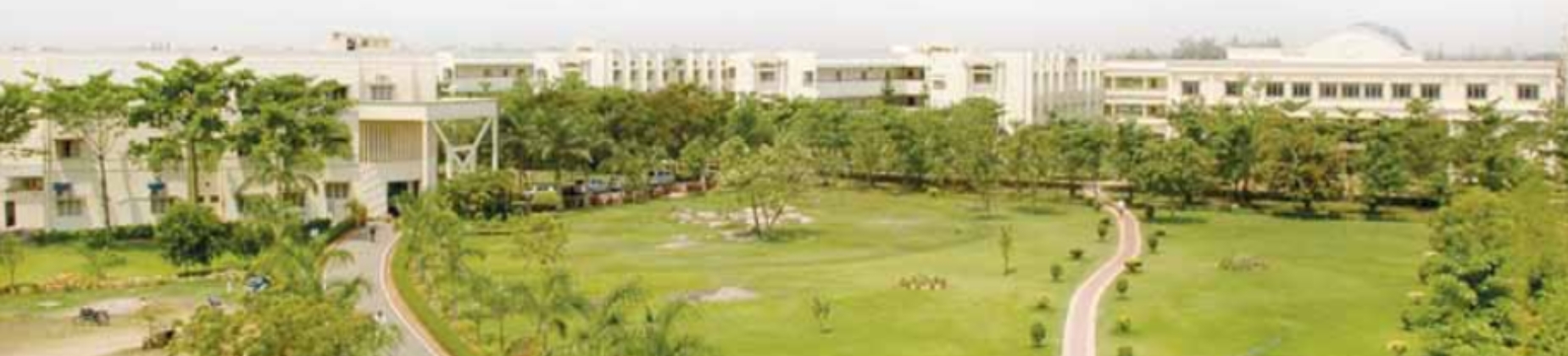
Gmr Institute Of Technology
Jawaharlal Nehru Technological University,Engineering
GMR Nagar, Razam, Andhra Pradesh, Srikakulam, India
COURSES & FEES
| Courses | Fees | CutOff / Eligibility Criteria | Action |
|---|---|---|---|
| Civil Engineering | ₹1.6L | 134283 | Apply Now |
| Mechanical Engineering | ₹1.6L | 95262 | Apply Now |
| Electronics and Communication Engineering | ₹1.6L | 45672 | Apply Now |
| Electrical and Electronics Engineering | ₹1.6L | 74567 | Apply Now |
| Information Technology | ₹1.6L | 34562 | Apply Now |
| Computer Science & Engineering | ₹1.6L | 23452 | Apply Now |
| Artificial Intelligance & Machine learning | ₹1.6L | 34262 | Apply Now |
| Artificial Intelligence (AI) and Data Science | ₹1.6L | 45622 | Apply Now |
GMR Institute of Technology (GMRIT), located in Rajam, Andhra Pradesh, offers high-quality technical education with state-of-the-art infrastructure and experienced faculty. The GMR Institute of Technology Fee Structure is designed to be affordable while ensuring top-notch education. Below is a comprehensive breakdown of the fee structure for different programs offered at GMRIT GMR Institute of Technology Fee Structure 4 years (8 semesters) Candidates must have passed 10+2 with a minimum of 45% in Physics, Chemistry, and Mathematics. Admission is based on AP EAMCET rank. To get more info, visit GMR Institute of Technology btech. Convenor Quota (AP EAMCET Rank Holders): ₹1,00,000 – ₹1,20,000 Management Quota ₹150000 – ₹180000. Admission Fee ₹5,000 (one-time payment) Examination Fee ₹3,000 – ₹5,000 per semester Lab & Library Fee: ₹10,000 annually Development Fee: ₹8,000 per year Hostel Fee (Optional): ₹70,000 – ₹80,000 per year (includes food and accommodation) Scholarships: Available based on merit, AP EAMCET rank, and socio-economic background 2 years (4 semesters) Bachelor's degree in Engineering (B.Tech) with at least 50% aggregate marks. Admission is based on GATE/AP PGECET scores. GATE/AP PGECET Qualified Students: ₹1,20,000 – ₹1,40,000 Management Quota: ₹1,50,000 – ₹1,80,000 Admission Fee: ₹7,000 (one-time payment) Examination Fee: ₹3,500 – ₹4,000 per semester Lab & Library Fee: ₹12,000 annually Research & Development Fee: ₹15,000 (for project work and lab resources) Hostel Fee (Optional): ₹80,000 – ₹90,000 per year (including mess and accommodation) Scholarships: Available for GATE-qualified students and merit-based scholarships To get more info, visit GMR Institute of Technology btech. Transportation Fee: ₹12,000 – ₹15,000 per year (for day scholars) Sports & Extracurricular Activities Fee: ₹5,000 per year Industrial Training & Internship Fee: ₹8,000 per year GMR Institute of Technology provides scholarships based on: AP EAMCET Ranks (for B.Tech students) GATE/AP PGECET Scores (for M.Tech students) Merit-Based Scholarships (Top-performing students are eligible for fee waivers) Government Scholarships for students from economically weaker sections GMR Institute of Technology offers B.Tech programs in multiple disciplines, with a curriculum designed to meet industry standards. Below is a general overview of the Syllabus for B.Tech programs: Engineering Mathematics Physics & Chemistry for Engineers Basic Electrical and Electronics Engineering Computer Programming & Data Structures Digital Electronics & Microprocessors Thermodynamics & Fluid Mechanics Control Systems & Robotics Artificial Intelligence & Machine Learning (for CSE & IT branches) Structural Analysis & Design (for Civil Engineering) Power Systems & Renewable Energy (for Electrical Engineering) To get more info, visit GMRIT Syllabus . Internet of Things (IoT) Cloud Computing Cybersecurity VLSI Design Embedded Systems M.Tech programs at GMRIT focus on research and specialization in advanced engineering fields. The Syllabus for M.Tech varies based on specialization but generally includes: Advanced Engineering Mathematics. Computational Methods Engineering. Advanced Control System. High Performance Computing Signal Processing & Communication Systems Finite Element Analysis Big Data Analytics & Machine Learning Industrial Automation & Smart Manufacturing Research Methodology & Technical Writing Thesis & Research Project Work The M.Tech program at GMRIT is designed to provide in-depth knowledge, research skills, and specialization in advanced engineering fields. The curriculum includes core subjects, computational techniques, research methodology, & project work, ensuring students develop expertise in their chosen field Covers linear algebra, differential equations, probability, and optimization techniques. Essential for solving complex engineering problems Focuses on numerical and algorithmic techniques to analyze & solve engineering problems. Involves MATLAB, Python, & other simulation tools. To get more info, visit GMRIT MTech. Deals with modern control strategies, stability analysis, & system optimization. Applications in robotics, automation, & industrial processes. Introduces parallel computing, cloud computing, & distributed systems. Used for big data processing, simulations, & AI applications. Covers digital signal processing (DSP), wireless communication, and embedded systems. Used in image processing, IoT, & telecommunications. Teaches structural analysis, material modeling, and simulation techniques. Used in mechanical, civil, & aerospace engineering. Introduces data mining, AI models, deep learning, and predictive analytics. Applications in automation, healthcare, & cybersecurity. Focuses on Industry 4.0, IoT, and robotics in manufacturing. Covers PLC, SCADA, and AI-driven automation. Helps students understand research techniques, paper writing, and publishing. Emphasizes literature review, hypothesis testing, & data analysis. A major research project based on real-world engineering problems. Encourages innovation, patents, & technical publications. The M.Tech curriculum at GMRIT provides a balance of theoretical knowledge, practical skills, & research exposure. It prepares students for careers in academia, industry, & research organizations. To get more info, visit GMRIT MTech. Graduates from GMRIT are highly sought after in various industries, thanks to their practical training and strong theoretical knowledge. Software Engineer (for CSE & IT branches) Civil Engineer (for Civil Engineering graduates) Electrical Engineer (for EEE graduates) Mechanical Design Engineer (for Mechanical graduates) Data Scientist Robotics Engineer IoT Developer Network Security Analyst Core Government Jobs (via GATE, UPSC, etc.) Research Scientist. AI & Machine Learning Engineer. Technical Consultant. Professor System Architect Electronics Design Engineer Industrial Automation Specialist Works in research and development (R&D) organizations, government labs, and universities. Engages in cutting-edge innovations, technology development, & problem-solving. Can specialize in areas like nanotechnology, AI, renewable energy, or advanced materials Job Sectors: ISRO, DRDO, BARC, CSIR, private R&D labs. Develops AI models, deep learning algorithms, and big data solutions. Works on applications like chatbots, self-driving cars, healthcare AI, & automation. Programming Languages & Tools: Python, TensorFlow, PyTorch, MATLAB. Job Sectors: IT companies, finance, healthcare, robotics, and startups. Advises companies on technology selection, system upgrades, and process improvement. Works in engineering firms, software companies, & business consultancies. Specializes in automation, AI, cybersecurity, IoT, & software solutions. Job Sectors: Accenture, Deloitte, TCS, Capgemini, PwC. Engages in teaching, mentoring students, & conducting academic research. Writes research papers, books, & patents in a specialized domain. Opportunities to work in universities and engineering colleges. Job Sectors: IITs, NITs, private universities, international institutions. Designs high-performance computing systems, cloud architectures, & IT infrastructures. Works on software-hardware integration, optimizing system efficiency Specializes in cybersecurity, enterprise solutions, or network systems Job Sectors: IT companies, data centers, cloud service providers (AWS, Google Cloud). Develops electronic circuits, embedded systems, & PCB layouts. Works on IoT devices, semiconductor chips, medical equipment, & consumer electronics. Uses CAD tools like Altium, KiCad, or MATLAB. Job Sectors: Intel, Qualcomm, Texas Instruments, Bosch, automotive companies. Implements automation technologies in manufacturing industries. Works with Programmable Logic Controllers (PLCs), SCADA, robotics, and IoT-based smart manufacturing. Plays a key role in Industry 4.0 & factory automation. Job Sectors: Automotive, oil & gas, pharmaceuticals, FMCG, and robotics companies. An M.Tech degree opens diverse career opportunities across industries like IT, manufacturing, research, education, & automation. Graduates can choose paths based on their interest in research, development, or application-based roles To get more info, visit GMR Institute of Technology fee structure. Conclusion The GMR Institute of Technology Fee Structure is designed to be flexible and accessible, ensuring students receive high-quality education without financial burden. Whether you are looking to pursue B.Tech or M.Tech, GMRIT provides a well-structured curriculum aligned with industry requirements. Scholarships and financial aid options further make education at GMRIT affordable. Explore the various courses & choose the one that aligns with your career aspirations.Duration:
Eligibility:
Annual Tuition Fee:
Other Fees:
2. Master of Technology (M.Tech) Fee Structure
Duration:
Eligibility:
Annual Tuition Fee:
Other Fees:
3. Additional Fees and Scholarships
Additional Fees:
Scholarships:
GMRIT Syllabus for B.Tech and M.Tech
B.Tech Syllabus
Core Subjects:
Elective Courses:
M.Tech Syllabus
Core Subjects:
Core Subjects (Fundamental & Advanced Topics)
Advanced Engineering Mathematics
Computational Methods in Engineering
Advanced Control Systems
High-Performance Computing
Signal Processing & Communication Systems
Finite Element Analysis (FEA)
Big Data Analytics & Machine Learning
Industrial Automation & Smart Manufacturing
Research & Project Work
Research Methodology & Technical Writing
Thesis & Research Project Work
Career Opportunities After B.Tech & M.Tech from GMRIT
Career Options After B.Tech:
Career Options After M.Tech:
1. Research Scientist
2. AI & Machine Learning Engineer
3. Technical Consultant
4. University Professor
5. System Architect
6. Electronics Design Engineer
7. Industrial Automation Specialist
Get College Name, District
Admission Form 2026
More About
Info
Admission
Cutoff
Placements
Scholarship
Gallery
Facility
Review
Q & A
Students Also Visited

College Name
Admissions Open for All Courses 2026
Visit Us
Basavanagudi, Bengaluru
Karnataka - 560004
.png)
GetMyCollege
India's most trusted college admission platform. Join thousands of students who found their dream college with expert guidance.
Company
About Us
Contact Us
Privacy Policy
Terms & Conditions
Ready to Find Your Dream College?
Free counselling available — no registration required
Top Colleges
RV Institute of Technology and Management
PES College of Engineering
BMS Institute of Technology and Management
Dayananda Sagar Institute of Technology
BNM Institute of Technology
Sir M Visvesvaraya Institute Of Technology
RNS Institute of Technology
Top Streams
Medical
Para Medical
Engineering
Nursing
LLB
Science
Arts & Design
Diploma
Pharmacy
Commerce
IT
Study Abroad
🇨🇦 Canada
🇸🇪 Sweden
🇦🇺 Australia
🇩🇪 Germany
🇬🇧 UK
🇺🇸 USA
🇫🇷 France
🇨🇳 China
🇦🇪 UAE
🇮🇹 Italy
🇳🇿 New Zealand
Articles
Pre University Result
PU College Admissions 2026
CBSE 10th Exam Syllabus
Best PU Colleges in Bangalore
JEE, NEET with PU Colleges
Why BBA after 12th
Engineering Revaluation Complete Guide
Top Residential PU Colleges in Bangalore
Copyright © 2026
GetMyCollege.com.
All Rights Reserved.