.png&w=1920&q=75)
Medical
Paramedical
Engineering
Pharmacy
Nursing
Management
Diploma
Science
Law
Study Abroad
Top Engineering Courses: Exploring Pathways of Innovation
Updated: March 3, 2025
0 mins read
182 View

0
Manager Content
0 mins read
0 View
Share
Table of content
Introduction
Top Engineering Courses List
Top 4 Engineering Colleges for Top Courses with Fees
CS Courses in Engineering
Conclusion
Hello, future innovators! So, you’ve just graduated from high school and are now exploring various engineering courses after 12th, right? Engineering is a field that drives innovation and shapes the modern world, from creating groundbreaking technologies to building the infrastructure we rely on daily. If you’re someone who enjoys problem-solving, creating new things, and making a difference in the world, then engineering might be the perfect path for you.
Starting on a journey in engineering offers plenty of opportunities to create and innovate ideas for society With Top Engineering Courses. choosing the right engineering course can be both exciting and daunting.
Looking for top Engineering Courses after 12th. Here is the list of Top Courses
Top Engineering Courses List:
Mechanical Engineering
Chemical Engineering
Electronics Engineering
Biotechnology Engineering
Civil Engineering
Computer Science and Engineering
Electrical Engineering
Aerospace Engineering
Biomedical Engineering
How to Choose the Right Engineering Course After 12th?
Selecting the right engineering course after the 12th is a significant step in building your future career. The options are broad, ranging from classic fields like Civil and Mechanical Engineering to cutting-edge disciplines like Artificial Intelligence and Data Science. Your choice should be based on your strengths, interests, and career aspirations.
Top 10 Engineering Courses After 12th
1. Mechanical Engineering
Overview: Mechanical Engineering is one of the most versatile engineering fields, focusing on the design, analysis, and manufacturing of mechanical systems. This course equips students with the knowledge and skills to develop various types of machinery and tools, making it essential in industries like automotive, aerospace, and manufacturing.
Course Structure: The curriculum typically covers subjects such as thermodynamics, fluid mechanics, materials science, and machine design. Practical projects and internships are integral parts of the program, allowing students to apply theoretical knowledge to real-world scenarios.
Job Scope: Mechanical engineers are in high demand across various industries, including automotive, aerospace, energy, and manufacturing. Graduates can pursue roles as design engineers, project managers, and research and development specialists.
2. Computer Science Engineering
Overview: Computer Science Engineering is a dynamic field that merges principles of computer science and engineering. It focuses on designing software, managing databases, and ensuring cybersecurity, making it one of the most sought-after courses in today's digital age.
Course Structure: The curriculum includes programming, algorithms, data structures, and software development. Students gain hands-on experience through projects and internships, preparing them for careers in various tech industries.
Job Scope: Computer Science engineers have numerous job opportunities in software development, IT consulting, data analysis, and cybersecurity. The demand for these professionals continues to grow as technology evolves.
3. Civil Engineering
Overview: Civil Engineering is fundamental to the infrastructure development of any country. This field involves the planning, designing, and construction of structures like roads, bridges, and buildings, ensuring they meet safety and environmental standards.
Course Structure: The curriculum covers topics such as structural analysis, geotechnical engineering, and construction project management. Practical experience through internships and project work is essential in this field.
Job Scope: Civil engineers have vast opportunities in both the public and private sectors, working on infrastructure projects. They can take up roles in construction companies, consulting firms, or government agencies.
4. Electrical Engineering
Overview: Electrical Engineering deals with the study and application of electricity, electronics, and electromagnetism. It is a critical field in developing and maintaining electrical systems and equipment, making it essential in industries like power generation and telecommunications.
Course Structure: Core subjects include circuit theory, digital electronics, and control systems. The course also offers practical training through labs and internships, giving students hands-on experience in electrical engineering.
Job Scope: Electrical engineers are needed in various sectors, including power generation, telecommunications, and electronics manufacturing. They can work as electrical engineers, power systems engineers, and control systems engineers.
5. Chemical Engineering
Overview: Chemical Engineering applies principles of chemistry, physics, and biology to solve problems related to the production or use of chemicals. This field is crucial in industries like pharmaceuticals, energy, and environmental engineering.
Course Structure: The curriculum includes thermodynamics, process control, and chemical reaction engineering. Students also participate in lab work and internships to gain practical experience.
Job Scope: Chemical engineers are in demand in industries such as petrochemicals, food processing, and environmental management. They can work as process engineers, quality control engineers, or environmental engineers.
6. Electronics and Communication Engineering
Overview: This field focuses on the design and development of electronic devices and communication systems. With advancements in technology, this branch has become increasingly important in industries like telecommunications, IT, and consumer electronics.
Course Structure: Subjects covered include analog and digital electronics, signal processing, and communication systems. The course also involves practical lab work and internships to ensure students gain industry-relevant skills.
Job Scope: Electronics and communication engineers are highly sought after in telecommunications, consumer electronics, and IT industries. They can work as network engineers, systems engineers, or communication engineers.
7. Automobile Engineering
Overview: Automobile Engineering focuses on designing, manufacturing, and maintaining vehicles. This field combines mechanical engineering principles with automotive technology, making it ideal for those interested in the automotive industry.
Course Structure: The course covers automotive design, vehicle dynamics, and automotive electronics. Practical experience is gained through workshops, internships, and projects in collaboration with automotive companies.
Job Scope: Graduates can work in vehicle manufacturing, design firms, or as consultants in the automotive industry. With the rise of electric vehicles, the demand for automobile engineers is expected to grow.
8. Artificial Intelligence & Data Science
Overview: AI and Data Science are at the forefront of technological innovation, with applications in various industries. This field focuses on creating intelligent systems and analyzing large datasets to drive decision-making.
Course Structure: The curriculum includes machine learning, data mining, and natural language processing. Students also learn programming languages like Python and R, as well as data visualization tools.
Job Scope: Graduates can pursue careers as data scientists, AI engineers, and machine learning specialists. These roles are in high demand in industries like finance, healthcare, and e-commerce.
9. Aerospace Engineering
Aerospace Engineering is a specialized field focused on the design, development, testing, and production of aircraft and spacecraft. For students interested in aviation and space exploration, pursuing Aerospace Engineering courses after 12th grade provides a solid foundation in subjects like aerodynamics, avionics, propulsion systems, and materials science.
The curriculum includes core subjects such as fluid mechanics, structural analysis, and control systems, along with practical training through internships and projects. These experiences prepare students for a career in the cutting-edge world of aviation and space technology.
Job Scope for Aerospace Engineering
Aerospace Engineering graduates have diverse career opportunities in aerospace companies, defense organizations, research institutions, and government agencies. Roles include aircraft design engineer, propulsion engineer, aerodynamics specialist, and systems analyst. With the rapid growth of the aerospace industry, skilled professionals are in high demand to push the boundaries of flight technology.
10. Marine Engineering
Marine Engineering is a unique branch of engineering that deals with the design, construction, operation, and maintenance of marine vessels and structures. For students interested in maritime technology and the ocean, pursuing Marine Engineering courses after 12th grade is the first step towards a rewarding career.
The curriculum covers subjects like marine propulsion systems, naval architecture, offshore structures, and marine technology. Practical experience is gained through internships and projects, allowing students to apply their theoretical knowledge in real-world settings.
Job Scope for Marine Engineering
Marine Engineering graduates have numerous job opportunities in shipbuilding companies, marine research institutions, shipping corporations, and offshore oil and gas companies. They can work as marine engineers, naval architects, offshore engineers, and marine surveyors. The field is diverse, with a growing need for skilled professionals in the maritime industry.
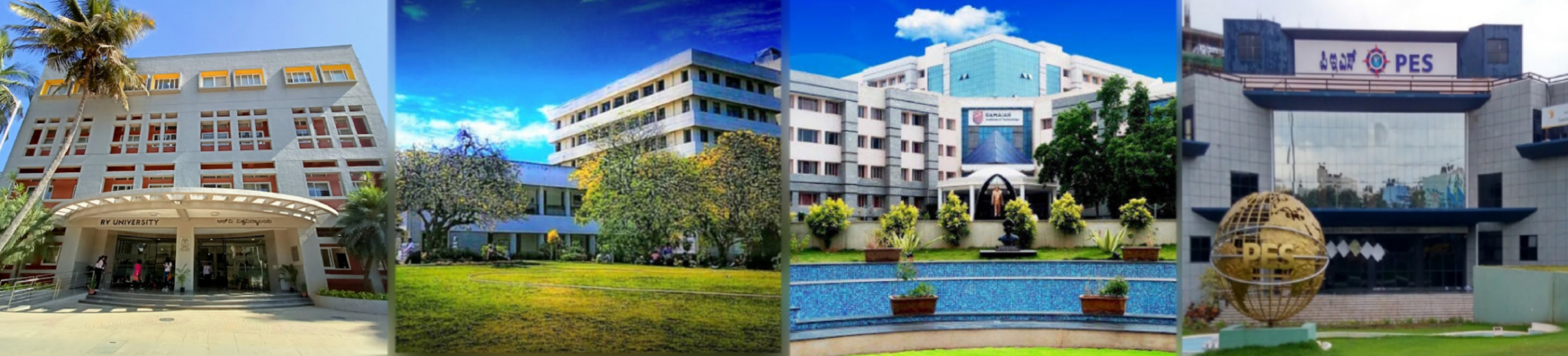
Top 4 Engineering Colleges for Top Courses with Fees:
1. BMS:
BMS College of Engineering is well known for its academic strictness, industry-oriented curriculum, world-class infrastructure, and holistic development programs, making it a preferred destination for top engineering education in India.

2. PES:
PES University, located in Bangalore, Karnataka. is one of the leading private institutions in India famous for its academic excellence, research programs, and vibrant campus life. Formerly known as PES Institute of Technology, the Government of Karnataka granted it university status in 2013, thus becoming PES University.

3. MSRIT:
MS Ramaiah Institute of Technology [MSRIT] offers a wide range of UG, PG, and Ph.d programs in various directions including Engineering, Management, Architecture, Computer Applications, and Science. The campus facilitates well-equipped classrooms, computing facilities, laboratories, research centers, libraries, and auditoriums.

4. RV:
RV College of Engineering is Approved by the National Board of Accreditation (NBA) and has been consistently ranked among the top engineering colleges in India by various ranking agencies. It is known for its academic excellence, faculty expertise, placement records, and infrastructure.

CS Courses in Engineering:
Courses in Computer Science (CS) are a fundamental part of engineering education. Particularly in the areas of Information Technology (IT) and Computer Science and Engineering (CSE). Here a some engineering Courses in Bangalore
Artificial Intelligence (AI)
Data Science and Analytics
Software Engineering
Cyber security
Cloud Computing
Mobile App Development
Blockchain Technology
Internet of Things (IoT)
Computer Vision and Image Processing
Natural Language Processing (NLP)
These are just a few examples of top courses in Engineering reflecting the difference and breadth of the field. Depending on individual interests, emerging technologies, and career goals, students can choose courses that align with their aspirations and stay updated with the latest advancements in the industry.
Looking for top colleges and Courses, Contact us Today at [Phone: 8867325152 ]
Conclusion
Top engineering courses like Computer Science, Mechanical, Electrical, Civil, and Electronics Engineering offer promising career opportunities. These fields provide a strong foundation in technology and innovation, catering to diverse industries. With an ever-growing demand for skilled professionals, engineering remains a highly rewarding career path. Choosing the right course based on interests and market trends can lead to long-term success. Engineering continues to be a versatile and dynamic field with endless possibilities.
Frequently Asked Questions (FAQs)
1. What are the top engineering courses to pursue?
Popular courses include Computer Science, Mechanical, Electrical, Civil, Electronics & Communication, Chemical, and Aerospace Engineering.
2. Which engineering course has the best career scope?
Computer Science Engineering offers strong opportunities in IT, software development, and AI, while Mechanical, Civil, Electrical, and ECE have consistent demand in core industries.
3. What are the eligibility criteria for engineering courses?
For B.Tech/B.E., candidates need 10+2 with PCM and a valid score in JEE Main/Advanced, BITSAT, or state-level entrance exams.
4. What is the duration of engineering courses?
Undergraduate (B.Tech/B.E.): 4 years
Postgraduate (M.Tech/M.E.): 2 years
Diploma: 3 years
5. What are the career options after completing engineering?
Engineers can work as Software Developers, Design Engineers, Project Managers, or in research, manufacturing, construction, and IT sectors.
.png)