.png&w=1920&q=75)
Medical
Paramedical
Engineering
Pharmacy
Nursing
Management
Diploma
Science
Law
Study Abroad
Admissions open 2026-27
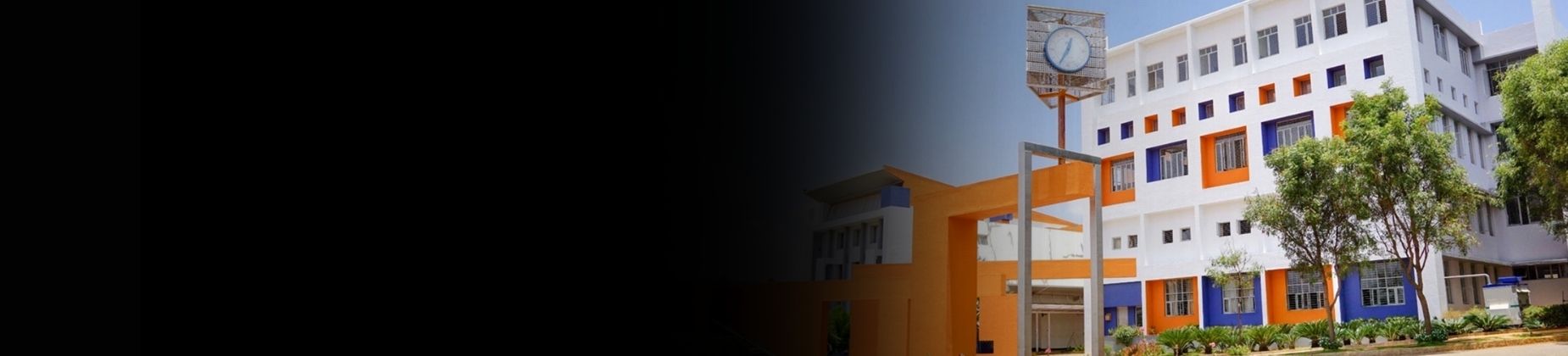
Acharya Institute of Allied Health Sciences
Rajiv Gandhi University of Health Sciences,Science
Soladevanahalli, Bangalore, India
COURSES & FEES
| Courses | Fees | CutOff / Eligibility Criteria | Action |
|---|---|---|---|
| BSc Anesthesia and Operation Theatre Technology | ₹6L | 9,000 | Apply Now |
| BSc in Respiratory Care Technology | ₹5L | 9,000 | Apply Now |
| Renal Dialysis Technology | ₹5L | 9,000 | Apply Now |
| Bachelor of Science in Optometry | ₹4L | 9,000 | Apply Now |
| BSc in Imaging Technology | ₹6L | 9,000 | Apply Now |
| BSc in Medical Lab Technology | ₹5L | 2,800 | Apply Now |
| Bachelor in Hospital Administration | ₹4.5L | 9,000 | Apply Now |
| Bachelors in Occupational Therapy | ₹6L | 9,000 | Apply Now |
Acharya Institute of Allied Health Sciences Courses for the just trained students to take a dedicated career in health care. Programs such as Physiotherapy, Medical Laboratory Technology, Radiology and Imaging Technology, Clinical Nutrition and Dietetics, Optometry, Anesthesia, and Operation Theatre Technology carve out areas of study that intend toward strong theoretical understanding with high-level practical exposure achieved through state-of-the-art labs and internships.
Acharya Institute of Allied Health Sciences Courses
1. Medical Laboratory Technology (MLT)
Overview: Focuses on analyzing biological samples to diagnose diseases and conditions.
Key Learning Areas:
Techniques for testing blood, tissues, and body fluids.
Use of diagnostic tools such as microscopes and automated analyzers.
Understanding pathology, biochemistry, and microbiology.
Career Opportunities: Lab technicians in hospitals, diagnostic centers, or research labs.
2. Radiology and Imaging Technology
Overview: Trains students to perform diagnostic imaging procedures like X-rays, CT scans, and MRIs.
Key Learning Areas:
Principles of radiographic imaging and equipment handling.
Radiation safety and patient care during imaging procedures.
Understanding anatomy for accurate imaging and reporting.
Career Opportunities: Radiology technologist in hospitals, imaging centers, or private clinics.
3. Physiotherapy
Overview: Focuses on physical rehabilitation to treat injuries, disabilities, and illnesses.
Key Learning Areas:
Techniques for pain management and mobility improvement.
Understanding anatomy, biomechanics, and kinesiology.
Developing personalized rehabilitation programs for patients.
Career Opportunities: Physiotherapists in hospitals, sports facilities, or independent practice.
4. Clinical Nutrition and Dietetics
Overview: Educates students on the role of nutrition in maintaining health and managing diseases.
Key Learning Areas:
Nutritional assessment and dietary planning for patients.
Understanding metabolic processes and therapeutic diets.
Public health nutrition and lifestyle counseling.
Career Opportunities: Dietitian or nutritionist in hospitals, fitness centers, or public health programs.
5. Optometry
Overview: Trains students to diagnose, treat, and manage vision problems and eye diseases.
Key Learning Areas:
Eye anatomy and physiology.
Techniques for vision correction using lenses and contact lenses.
Career Opportunities: Optometrist in hospitals, eye clinics, or independent practice.
6. Anesthesia and Operation Theatre Technology
Overview: Prepares students to assist anesthesiologists and surgeons in operating theaters.
Key Learning Areas:
Basics of anesthetic procedures and drug administration.
Operation theatre protocols and patient monitoring.
Handling surgical instruments and sterilization processes.
Career Opportunities: OT technician or anesthetist assistant in hospitals or surgical centers.
Highlights of the Courses:
All courses include internship opportunities at reputed hospitals for real-world experience.
Research and innovation are encouraged, allowing students to contribute to advancements in their field.
Holistic development through seminars, workshops, and industry exposure.
To learn more about Reviews Visit the Acharya Institute of Allied Health Sciences Courses.
Acharya Institute of Allied Health Sciences Fees
1. Tuition Fees
The tuition fee is determined based on the course selected and its duration.
Programs like Physiotherapy and Optometry may have higher fees due to their specialization.
Fee amounts typically range between ₹50,000 to ₹1,50,000 per year for most allied health courses.
2. Admission Fees
The admission fee is one-time for new applicants enrolled during enrollment.
3. Examination Fees
Examination fees are collected each semester or annually, covering internal assessments and final exams.
₹5000 to ₹10,000 is the general range of annual fees, which depends upon the course.
4. Hostel Fees (Optional)
The institute provides hostel facilities for outstation students.
Hostel fees typically range between ₹80,000 to ₹1,20,000 per year, including accommodation and meals.
Fees may vary depending on the type of room (shared or single occupancy).
5. Other Charges
Laboratory Fees: Covers the use of advanced medical equipment in labs.
Library Fees: Includes access to books, journals, and digital resources.
Transportation Fees (Optional): Charged for students opting for college bus services.
6. Payment Modes
The institute allows fee payments through various modes, including:
Online payment portals.
Bank transfers or demand drafts.
Cash payments at the campus office (limited availability).
7. Installment Options
Students may have the option to pay fees in installments for convenience.
Installment plans can be discussed with the administration during admission.
8. Scholarships and Financial Aid
There are scholarships available for both economically weaker students and those who are meritorious.
Eligible students can also avail government and private scholarships.
Students should inquire about financial aid options during the admission process.
9. Refund Policy
Refunds for admission or tuition fees are subject to the institute's policy and may depend on the timing of withdrawal.
Detailed refund guidelines are provided in the admission brochure.
To learn more about Reviews Visit the Acharya Institute of Allied Health Sciences Fees.
Acharya Institute of Allied Health Sciences Fee Structure
Examination Fees: Annual examination fees range from ₹5,000 to ₹10,000, which cover internal assessments and final exams.
Hostel Fees (Optional): Hostel accommodation is available for students, with fees ranging from ₹80,000 to ₹1,20,000 per year, depending on room occupancy (shared or single).
Payment Methods: The institute allows flexible payment options, including online payments, bank transfers, and installments for convenience.
Scholarships: Financial aid and scholarships are available for meritorious and economically disadvantaged students.
Refund Policy: Refunds are available based on the institute's policy, which is usually dependent on the timing of course withdrawal.
To learn more about Reviews Visit the Acharya Institute of Allied Health Sciences Fee Structure.
Conclusion
This is the Acharya Institute of Allied Health Sciences Courses across the health spectrum. At their school, they develop the students in effective learning with every possible course available. Mainly, as much as the students learn about the very latest in modern medical technologies, the careers go through sub-disciplines like Physiotherapy, Medical Laboratory Technology, Radiology, Nutrition, Optometry, and Anesthesia because of the guidance of faculty experts.
Get College Name, District
Admission Form 2026
More About
Info
Admission
Cutoff
Placements
Scholarship
Gallery
Facility
Review
Q & A
Students Also Visited

College Name
Admissions Open for All Courses 2026
Visit Us
Basavanagudi, Bengaluru
Karnataka - 560004
.png)
GetMyCollege
India's most trusted college admission platform. Join thousands of students who found their dream college with expert guidance.
Company
About Us
Contact Us
Privacy Policy
Terms & Conditions
Ready to Find Your Dream College?
Free counselling available — no registration required
Top Colleges
RV Institute of Technology and Management
PES College of Engineering
BMS Institute of Technology and Management
Dayananda Sagar Institute of Technology
BNM Institute of Technology
Sir M Visvesvaraya Institute Of Technology
RNS Institute of Technology
Top Streams
Medical
Para Medical
Engineering
Nursing
LLB
Science
Arts & Design
Diploma
Pharmacy
Commerce
IT
Study Abroad
🇨🇦 Canada
🇸🇪 Sweden
🇦🇺 Australia
🇩🇪 Germany
🇬🇧 UK
🇺🇸 USA
🇫🇷 France
🇨🇳 China
🇦🇪 UAE
🇮🇹 Italy
🇳🇿 New Zealand
Articles
Pre University Result
PU College Admissions 2026
CBSE 10th Exam Syllabus
Best PU Colleges in Bangalore
JEE, NEET with PU Colleges
Why BBA after 12th
Engineering Revaluation Complete Guide
Top Residential PU Colleges in Bangalore
Copyright © 2026
GetMyCollege.com.
All Rights Reserved.