.png&w=1920&q=75)
Medical
Paramedical
Engineering
Pharmacy
Nursing
Management
Diploma
Science
Law
Study Abroad
Admissions open 2026-27
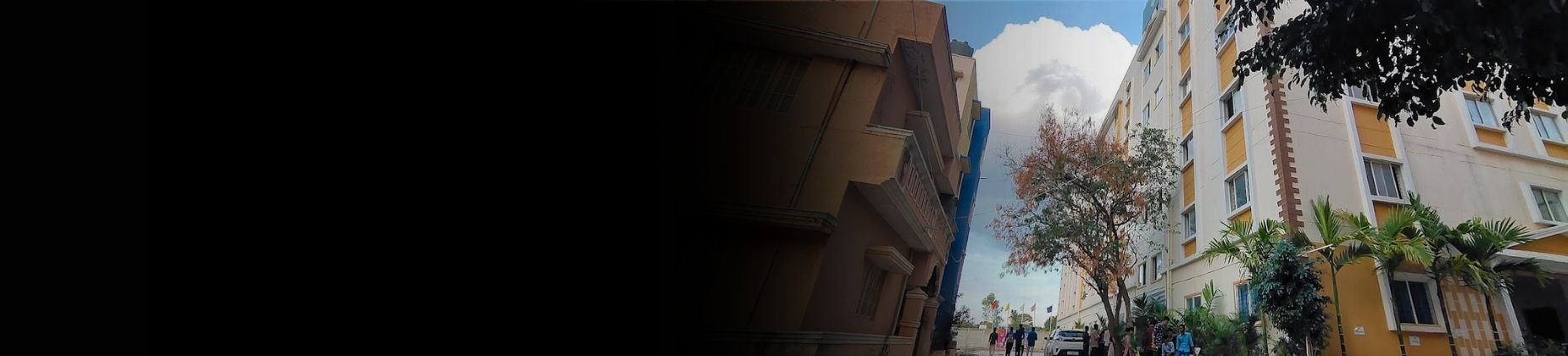
Diana School of Paramedical
Rajiv Gandhi University of Health Sciences,Paramedical
Kothanur Post, Bangalore, India
COURSES & FEES
| Courses | Fees | CutOff / Eligibility Criteria | Action |
|---|---|---|---|
| Diplama in Madical Laboratory Technology | ₹2L | 55% | Apply Now |
| Diplama in Madica Record Technology | ₹3.3L | 55% | Apply Now |
| Diplama in X-ray Technology | ₹3.3L | 55% | Apply Now |
| Diplama in Health Inspector | ₹3.3L | 55% | Apply Now |
| Diplama in Opetaion Theater Anaesthesia Technology | ₹3.3L | 55% | Apply Now |
The Diana School of Paramedical fees structure is carefully designed to be competitive and affordable, helping students from various economic backgrounds while providing high-quality education and well-equipped Labs in this tough market. The fees differ depending on the diploma, course, specialization, and category of admission. Job Roles: Medical/Clinical Technician: Responsible for diagnosing blood and urine samples and reporting observations to physicians. Cytogenetic Technician: Analyzes chromosomes and genetic materials, detects genetic abnormalities, and suggests treatments. Pathologist Assistant: Assists pathologists in studying pathogens causing health issues. Lab Technician: Conducts diagnostic tests, operates lab equipment, and maintains accurate records. Quality Control Technician Sample Collection and Handling: Collecting and handling patient samples such as blood, urine, and tissue specimens. Lab Equipment Operation: Operating and maintaining various laboratory apparatus like microscopes and centrifuges. Testing and Analysis: Performing diagnostic tests on patient samples following standard protocols. Quality Control: Executing quality control processes to validate the precision of laboratory examinations. Data Management: They Master keeping extensive records of test outcomes, patient data, and quality control data. Note: Uniform and Clinical Fees are not Included The diploma in X-ray technology program is an allied paramedical education that opens up a wide range of exciting employment options because diagnosis and treatment strategies are still greatly influenced by it. Includes training on radiographic equipment operation and patient positioning. It Teaches image analysis and interpretation alongside doctors. Job Roles: X-ray Technician: Operates X-ray equipment to produce images of the patient's internal structures. Assistant X-ray Technician: Assists the primary X-ray technician and helps in preparing patients and equipment. Radiographer: Performs a range of radiographic examinations using X-ray equipment and other imaging technologies. CT Scan Technologist: Uses advanced X-ray technology to capture detailed cross-sectional images of the internal organs. Radiologist Assistant: Supports radiologists in interpreting and diagnosing medical images. Operating X-ray Equipment: Properly positioning patients and adjusting machine settings to obtain clear images. Patient Care: Ensuring patient comfort and safety during the imaging process. Image Quality Control: Checking the clarity of X-ray images and retaking them if necessary. Record Keeping: Maintaining accurate records of patient images and reports. Safety and Compliance: Adhering to health and safety standards to minimize radiation exposure Note: Uniform and Clinical Fees are not included in above mentioned Diana Paramedical College Fees Visit us right now to discover more about the campus and facilities, of Diana School of Paramedical Fees. A Diploma in Operation Theatre Technology (D-OTT) consists of a two-year undergraduate (UG) program that teaches students how to support medical professionals in hospitals, emergency departments, and intensive care units. DOTT Includes training on emergency procedures and anesthetic techniques. Job Roles: Operation Theatre Technician (OT Technician): Assists surgeons and other medical professionals during surgical procedures. Scrub Technician: Prepares and maintains surgical instruments and equipment during surgeries. Anesthesia Technician: Assists anesthesiologists in administering anesthesia and monitoring patients' vital signs. Surgical Equipment Technician: Manages and maintains surgical equipment and ensures it is in working order. CSSD Technician: Works in the Central Sterile Supply Department, sterilizing and preparing surgical instruments and supplies. Patient Care Assistant: Provides support and care to patients before, during, and after surgery. Preoperative Tasks: Preparing patients for surgery, procuring procedure-specific surgical tools and materials, and ensuring everything required during the surgery is functioning and securely connected. During Surgery: Assisting the surgeon by providing technical aid, positioning the patient, and ensuring the smooth operation of the operation theatre. Postoperative Tasks: Restocking supplies, rearranging instruments, and getting the operation theatre ready for the next surgery. Infection Control: Ensuring all equipment and the environment are sterile to prevent infections. Patient Management: Providing support to patients in the recovery phase and ensuring their comfort and safety. Note: Uniform and Clinical Fees are not Included Visit us right now to discover more about the campus and facilities, of Diana School of Paramedical Fees Structure A diploma in the Diploma in Dialysis Technology (DDT) course trains students to become Health Information Technicians or Medical Record Technicians. DDT Prepares students to manage and troubleshoot dialysis equipment. DDT Emphasizes patient care, monitoring, and education about dialysis treatment. Job Designation and Responsibilities Job Roles: Dialysis Technician: Operates dialysis machines and provides care to patients undergoing dialysis treatment. Renal Dialysis Technician: Specializes in treating patients with kidney failure through dialysis. Hemodialysis Technician: Focuses on hemodialysis, a specific type of dialysis treatment. Nephrology Technician: Works closely with nephrologists to provide dialysis treatment and patient care. Operating Dialysis Machines: Setting up and operating dialysis machines, ensuring they are sterile and functioning properly. Patient Monitoring: Monitoring patients' vital signs and responses during dialysis treatments. Record Keeping: Maintaining detailed records of patients' progress and treatment details. Patient Education: Educating patients on how to care for themselves before and after treatments. Emergency Response: Responding to dialysis-related emergencies and providing necessary care. Equipment Maintenance: Cleaning and disinfecting dialysis machines and supplies to ensure patient safety. Note: Uniform and Clinical Fees are not included in above mentioned Diana Paramedical College courses A Diploma in Health Inspector (DHI) is a one-of-a-kind paramedical undergraduate (UG) program that trains students for roles in the healthcare sector. Popular among those who are seeking a career in public health, sanitation, and private medical bodies. This Diploma includes training on public health regulations, sanitation, and hygiene. It Emphasizes community health education and disease prevention strategies. Job Roles: Health Inspector: Inspects public places, food processing facilities, and healthcare establishments to ensure compliance with health and safety regulations. Sanitation Inspector: Focuses on maintaining hygiene standards in public and private establishments. Food Inspector: Ensures that food establishments comply with health codes and safety standards. Public Health Officer: This type of Public Health officer’s role is very important as it ensures the food and hygiene standards. They usually monitor and improve community health. Conducting Inspections: Regularly inspecting food establishments, schools, and public facilities to ensure compliance with health codes. Investigating Complaints: Responding to health-related complaints from the public and taking appropriate action. Writing Reports: Documenting inspection findings and preparing detailed reports. Enforcing Regulations: Implementing enforcement measures to address health code violations. Note: Uniform and Clinical Fees are not Included Visit us right now to discover more about the courses, at Diana School of Paramedical Courses. The Institute Provides paramedical science-based diplomas and programs such as the Medical laboratory, X-ray technology, Diploma in Health Inspector, and Operation Theatre Technology to Dialysis Technology offering Students to Learn and discover job opportunities in the field of paramedical science. Diana School of ParamedicalFees Structure is designed in a way that allows students to enroll in their college regardless of economic background, Category, or Financial Stability.Diana School of Paramedical Courses - Detailed Breakdown
1. Diploma in Medical Laboratory Technology (DMLT)
Medical laboratory technicians perform tests on various body cells/tissues, and body fluids like blood, urine, CSF, etc to help the Doctors diagnose and treat diseases. It Covers microbiology, hematology, clinical biochemistry, and immunology. It Prepares students to operate and maintain laboratory equipment.
Job Designation and Responsibilities
Corresponding Responsibilities:
Detailed Breakdown
2. Diploma in X-RAY Technology (DXRT)
Job Designation and Responsibilities
Corresponding Responsibilities:
Detailed Breakdown
3. Diploma in Operation Theatre Technology (DOTT)
Job Designation and Responsibilities
Corresponding Responsibilities:
Detailed Breakdown
4. Diploma in Dialysis Technology (DDT)
Corresponding Responsibilities:
Detailed Breakdown - Diana School of Paramedical Fees
5. Diploma in Health Inspector
Job Designation and Responsibilities
Corresponding Responsibilities:
Detailed Breakdown
Diana School of Paramedical Fees Structure (Including Food and Accommodation)
Conclusion
Get College Name, District
Admission Form 2026
More About
Info
Admission
Cutoff
Placements
Scholarship
Gallery
Facility
Review
Q & A
Students Also Visited

College Name
Admissions Open for All Courses 2026
Visit Us
Basavanagudi, Bengaluru
Karnataka - 560004
.png)
GetMyCollege
India's most trusted college admission platform. Join thousands of students who found their dream college with expert guidance.
Company
About Us
Compare Colleges
Contact Us
Privacy Policy
Terms & Conditions
Ready to Find Your Dream College?
Free counselling available — no registration required
Top Colleges
RV Institute of Technology and Management
PES College of Engineering
BMS Institute of Technology and Management
Dayananda Sagar Institute of Technology
BNM Institute of Technology
Sir M Visvesvaraya Institute Of Technology
RNS Institute of Technology
Top Streams
Medical
Para Medical
Engineering
Nursing
LLB
Science
Arts & Design
Diploma
Pharmacy
Commerce
IT
Study Abroad
🇨🇦 Canada
🇸🇪 Sweden
🇦🇺 Australia
🇩🇪 Germany
🇬🇧 UK
🇺🇸 USA
🇫🇷 France
🇨🇳 China
🇦🇪 UAE
🇮🇹 Italy
🇳🇿 New Zealand
Articles
Pre University Result
PU College Admissions 2026
CBSE 10th Exam Syllabus
Best PU Colleges in Bangalore
JEE, NEET with PU Colleges
Why BBA after 12th
Engineering Revaluation Complete Guide
Top Residential PU Colleges in Bangalore
Copyright © 2026
GetMyCollege.com.
All Rights Reserved.