.png&w=1920&q=75)
Medical
Paramedical
Engineering
Pharmacy
Nursing
Management
Diploma
Science
Law
Study Abroad
Admissions open 2026-27
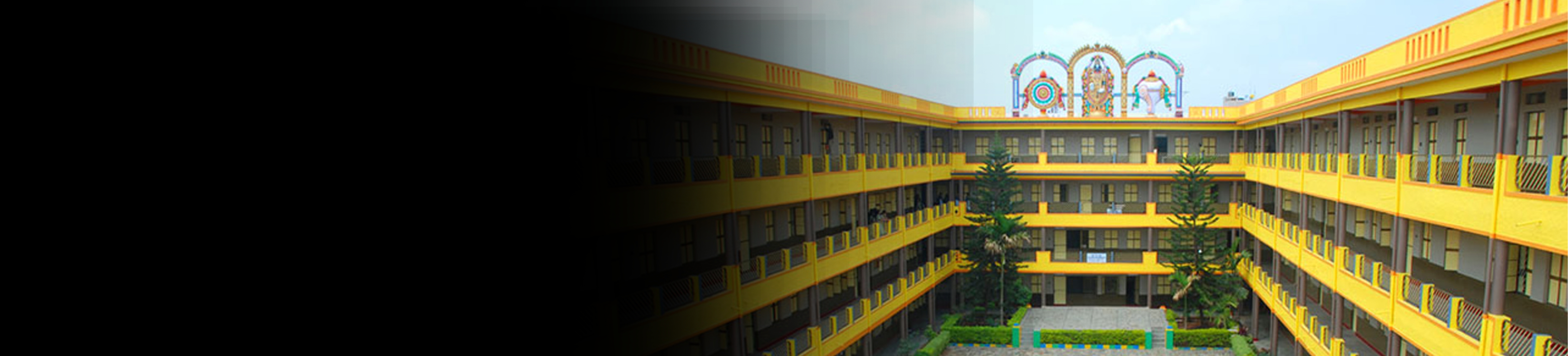
KTG Ayurvedic Medical College and Hospital
Rajiv Gandhi University of Health Sciences,Medical
Sy No : 93 Srigandhadakaval, Hegganahalli Cross, Sunkadakatte Road, Vishwaneedam Post, Bangalore, India
COURSES & FEES
| Courses | Fees | CutOff / Eligibility Criteria | Action |
|---|---|---|---|
| B.A.M.S (Bachelor of Ayurvedic Medicine and Surgery) | ₹3L | 55% | Apply Now |
KTG Ayurvedic Medical College and Hospital Fees is a reputed institution offering quality education in the field of Ayurveda. The college is dedicated to preparing skilled Ayurvedic professionals through a structured Bachelor of Ayurvedic Medicine and Surgery (BAMS) program. The academic framework combines traditional Ayurvedic knowledge with modern medical science, ensuring students gain a holistic understanding of healthcare practices.
KTG Ayurvedic Medical College and Hospital Fees
KTG Ayurvedic Medical College and Hospital offers a merit-based BAMS program through NEET, integrating Ayurveda theory with clinical practice and hospital training. The curriculum covers diagnosis, herbal preparation, and preventive care. With limited intake and a compulsory internship, students gain practical experience in real-world treatment planning and healthcare applications.
BAMS Course Structure and Duration
The Bachelor of Ayurvedic Medicine and Surgery (BAMS) is the flagship program offered by the college. It is designed to provide deep knowledge of Ayurveda along with modern medical concepts to ensure well-rounded medical education.
Course Highlights:
Full Form: Bachelor of Ayurvedic Medicine and Surgery
Duration: 5.5 years (including 1-year mandatory internship)
Focus Area: Ayurvedic principles integrated with modern medical science
Training Mode: Classroom learning + hospital-based clinical training
Key Learning Areas:
Students enrolled in the program study a wide range of subjects, including:
Ayurvedic anatomy and physiology (Sharir Rachana and Kriya)
Herbal medicine and pharmacology (Dravyaguna Vigyan)
Panchakarma therapy and detoxification techniques
Diagnosis and treatment of diseases through Ayurveda
Preventive healthcare and lifestyle management
The course ensures that students not only understand theoretical concepts but also gain hands-on clinical experience. The internship year plays a vital role in building confidence and professional competence.
Eligibility Criteria and Intake Capacity
Eligibility criteria are an essential part of the admission process. Students must fulfill academic and entrance exam requirements to be considered for admission into the BAMS program.
Eligibility Requirements:
Candidates must have completed 10+2 or equivalent education
Subjects required: Physics, Chemistry, and Biology
Minimum aggregate marks: 55% (relaxation may apply as per category norms)
NEET qualification is mandatory for admission
Candidates must meet age criteria as per national admission guidelines
These requirements ensure that students have a strong academic foundation before entering medical studies.
Intake Capacity:
Total seats available: approximately 60 students
Admission strictly through NEET counselling
Merit-based seat allocation system
Due to limited seats, admission is highly competitive, which helps maintain academic excellence and quality education standards.
To know more about Admission, visit our website: KTG Ayurvedic Medical College and Hospital Fees
KTG Ayurvedic Medical College and Hospital Fee Structure
KTG Ayurvedic Medical College offers a regulated, transparent fee structure aligned with government guidelines to ensure affordability for various admission quotas. While basic fees cover tuition and clinical training, additional costs for hostels and laboratories vary by student need. This clear financial framework allows families to plan effectively while maintaining high academic standards.
BAMS Fee Structure Details
The approximate fee structure for the BAMS program is as follows:
Fee Includes:
Tuition fees
Academic and administrative charges
Clinical training and hospital exposure
Laboratory usage and practical sessions
Additional Charges (if applicable):
Hostel accommodation fees
University examination fees
Study materials and clinical instruments
Miscellaneous institutional charges
It is important to note that the fee structure may be revised as per government regulations or counselling authority updates.
Payment Guidelines and Refund Policy
Students must follow proper payment procedures during the admission process to confirm their seat.
Payment Process:
Tuition and admission fees must be paid only after seat allotment through the authorized counselling process.
Students should complete payments using official and approved payment channels specified by the institution or counselling authority.
A payment acknowledgment or receipt is generated after successful transaction confirmation for future academic and administrative reference.
Candidates are advised to keep copies of fee receipts and transaction details safely until the admission process is fully completed.
Important Guidelines:
All prescribed fees must be paid within the deadline mentioned in the counselling schedule or admission notification.
Failure to complete payment on time may result in cancellation of the allotted seat and loss of admission opportunity.
Refund and cancellation policies are generally governed by counselling authority regulations, university norms, and institutional rules.
Partial or full fee refunds may be applicable only under specific eligibility conditions, withdrawal timelines, and approved cancellation procedures.
Students should carefully review the official refund policy before confirming admission to avoid misunderstandings regarding fee adjustments or reimbursements.
Following these guidelines ensures a smooth and hassle-free admission process.
To know complete facilities, visit here: KTG Ayurvedic Medical College and Hospital Fee Structure
KTG Ayurvedic Medical College and Hospital Course List
KTG Ayurvedic Medical College and Hospital course list primarily includes undergraduate Ayurvedic education designed for students aiming to build careers in traditional healthcare systems. The main BAMS program integrates theory with clinical training in the attached hospital. Admission is through NEET and counselling, with eligibility criteria ensuring qualified intake. The curriculum covers Ayurvedic principles, herbal medicine, diagnosis, and patient care.
Course Info
The Bachelor of Ayurvedic Medicine and Surgery (BAMS) program at KTG Ayurvedic Medical College is structured to provide a comprehensive foundation in traditional and modern medical sciences.
Course Duration and Capacity: The program spans 5.5 years, which includes a mandatory one-year clinical internship. Admission is highly competitive with a limited intake of 60 students per batch.
Curriculum Focus: Students study core subjects such as Ayurvedic anatomy, physiology, pharmacology, and Panchakarma therapy, alongside modern clinical practices and diagnostics.
Eligibility Requirements: Candidates must have completed 10+2 with Physics, Chemistry, and Biology (minimum 55% marks) and possess a valid NEET qualification.
Fees and Financials: The approximate fee is ₹3,00,000, though this may vary depending on the specific admission category and government regulations.
Career Pathways: Graduates are prepared for professional roles as Ayurvedic doctors, clinical practitioners, research scholars, and wellness consultants within the global healthcare sector.
To know more about the Career scope, click here: KTG Ayurvedic Medical College and Hospital Course List
Conclusion
KTG Ayurvedic Medical College and Hospital Fees offers a comprehensive, NEET-based BAMS program that balances rigorous academics with hands-on clinical training. With a transparent fee structure and modern infrastructure, the institution provides a strong foundation for careers in clinical practice, research, and the wellness industry. Its limited intake and focus on practical expertise make it an excellent choice for students seeking quality Ayurvedic education and professional growth.
Get College Name, District
Admission Form 2026
More About
Info
Admission
Cutoff
Placements
Scholarship
Gallery
Facility
Review
Q & A
Students Also Visited

College Name
Admissions Open for All Courses 2026
Visit Us
Basavanagudi, Bengaluru
Karnataka - 560004
.png)
GetMyCollege
India's most trusted college admission platform. Join thousands of students who found their dream college with expert guidance.
Company
About Us
Compare Colleges
Contact Us
Privacy Policy
Terms & Conditions
Ready to Find Your Dream College?
Free counselling available — no registration required
Top Colleges
RV Institute of Technology and Management
PES College of Engineering
BMS Institute of Technology and Management
Dayananda Sagar Institute of Technology
BNM Institute of Technology
Sir M Visvesvaraya Institute Of Technology
RNS Institute of Technology
Top Streams
Medical
Para Medical
Engineering
Nursing
LLB
Science
Arts & Design
Diploma
Pharmacy
Commerce
IT
Study Abroad
🇨🇦 Canada
🇸🇪 Sweden
🇦🇺 Australia
🇩🇪 Germany
🇬🇧 UK
🇺🇸 USA
🇫🇷 France
🇨🇳 China
🇦🇪 UAE
🇮🇹 Italy
🇳🇿 New Zealand
Articles
Pre University Result
PU College Admissions 2026
CBSE 10th Exam Syllabus
Best PU Colleges in Bangalore
JEE, NEET with PU Colleges
Why BBA after 12th
Engineering Revaluation Complete Guide
Top Residential PU Colleges in Bangalore
Copyright © 2026
GetMyCollege.com.
All Rights Reserved.