.png&w=1920&q=75)
Medical
Paramedical
Engineering
Pharmacy
Nursing
Management
Diploma
Science
Law
Study Abroad
Admissions open 2026-27
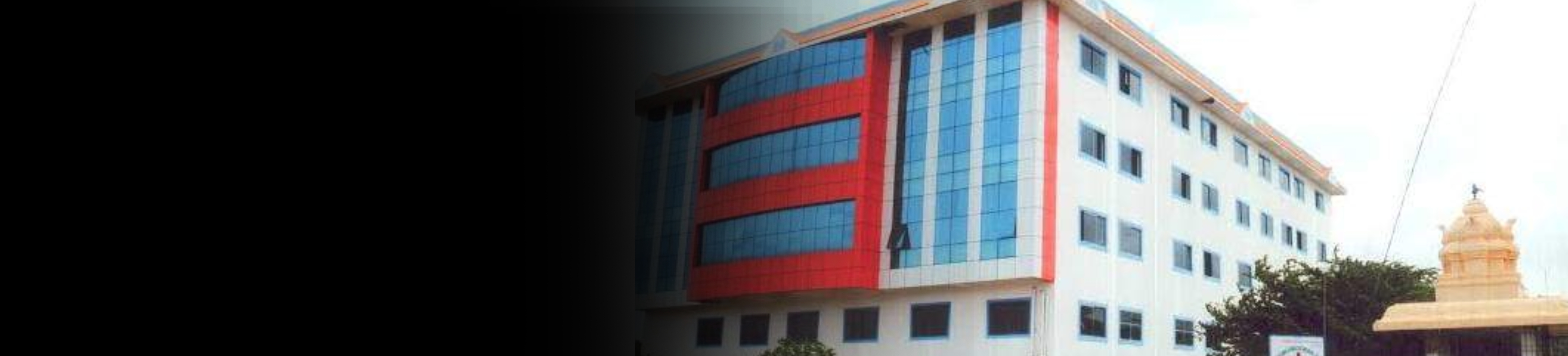
Ramakrishna Ayurvedic Medical College
Rajiv Gandhi University of Health Sciences,Medical
Ramagondanahalli, Bangalore, India
COURSES & FEES
| Courses | Fees | CutOff / Eligibility Criteria | Action |
|---|---|---|---|
| Bachelor Of Ayurveda Medicine And Surgery | ₹2.9L | 55% | Apply Now |
| MS - Shalya | ₹3.3L | 55% | Apply Now |
| MD - KayaChikista | ₹3.3L | 55% | Apply Now |
| MD - Panchakarma | ₹3.3L | 55% | Apply Now |
| MD - Dravyagun | ₹3.3L | 55% | Apply Now |
| MD - Rasa Shastra & Bhaishaja Kalpana | ₹3.3L | 55% | Apply Now |
Ramakrishna Ayurvedic Medical College Fee Structure offers a transparent and affordable fee structure for its comprehensive undergraduate and postgraduate programs. The fees cover clinical training, research support, and access to essential facilities like herbal gardens and modern laboratories. With available scholarship options and integrated hostel services, the institution ensures a focused and accessible path to professional Ayurvedic excellence.
Ramakrishna Ayurvedic Medical College Fee Structure
Ramakrishna Ayurvedic Medical College fee structure includes tuition fees, laboratory expenses, clinical training charges, and university-related academic costs. The institution maintains a transparent fee system that helps students and parents understand the educational expenses clearly while supporting quality Ayurvedic learning through practical exposure and hospital-based healthcare training.
Overview of Fee Structure
The fee structure is designed to cover academic learning, practical sessions, clinical exposure, and institutional facilities required throughout the course duration. Additional optional charges apply for hostel accommodation and transportation facilities.
Key Highlights
Transparent fee structure ensures clarity and fairness for all students.
Separate academic components highlight tuition, training, and resource allocations clearly.
Clinical training charges included, supporting hands-on medical learning experience.
Herbal garden practical fees cover Ayurvedic plant-based learning sessions.
Laboratory and library access provide essential academic resources for students.
The institution also supports students through installment-based payment options and scholarship guidance for eligible candidates. Students are advised to complete fee payments according to the academic schedule provided during admission.
Course Wise Fee Structure
Different Ayurveda programmes have different fee structures based on course duration, practical exposure, and postgraduate specialisation requirements.
Note: Tuition fees may vary yearly based on institutional policy changes.
BAMS Fee Structure
The BAMS fee structure mainly includes tuition fees, practical laboratory access, hospital exposure, and academic support facilities provided by the institution. The fee structure is designed to support both theoretical learning and practical Ayurvedic training.
Postgraduate Programme Fees
Postgraduate programs may include additional clinical training charges, departmental expenses, and specialisation-related practical training costs, depending on the selected course.
Quota-Based Fee Structure
Government quota and private quota fee structures differ according to counselling procedures, admission categories, and institutional guidelines.
Payment and Scholarship Support
The institution supports students through scholarship schemes and student-friendly payment systems for eligible candidates from different academic and financial backgrounds.
Financial Support Features
Merit-Based Scholarship Support: Financial assistance for students with strong academic performance.
Government Welfare Schemes: Access to government-sponsored educational support programs for eligible students.
NSP Scholarship Guidance: Assistance with scholarship applications through the National Scholarship Portal (NSP).
Need-Based Concessions: Fee concessions are provided for economically weaker and deserving students.
Instalment Payment Support: Flexible fee payment options to help students manage educational expenses.
Transparent Payment Receipts: Clear and organised fee payment documentation for students and parents.
Scholarship approval generally depends on eligibility criteria, academic performance, and document verification procedures.
To know more about Admission, visit here: Ramakrishna Ayurvedic Medical College Fee Structure
Ramakrishna Ayurvedic Medical College BAMS Fees
The institution focuses exclusively on undergraduate BAMS education, with academic expenses structured across distinct state categories. Tuition tiers vary depending on whether seats are secured through competitive state merit or institutional allocation pipelines. Annual fees may differ by quota, and students should anticipate additional academic, clinical, and internship charges as per institutional guidelines.
Main BAMS Fee Components
These mandatory academic components cover university registration, laboratory access, herbal garden maintenance, practical Panchakarma clinical training, and library resource fees.
Government Quota Tuition: Regulated at roughly ₹75,000 annually as prescribed via the state regulatory authority.
Private Merit Quota Tuition: Set at approximately ₹2,50,000 annually for competitive seats allocated in private colleges.
Management and NRI Quota Tuition: Ranges from ₹4,00,000 to ₹6,00,000 annually depending on the specific institutional seat classification.
Hostel and Mess Amenities: Extra residential charges ranging between ₹1,20,000 to ₹1,80,000 annually which include specialized Ayurvedic dietary services.
Student Support and Practical Exposure
The institution focuses on value-based Ayurvedic education through practical exposure, hospital training, and clinical learning activities.
Student Learning Support
Panchakarma practical learning: Hands-on training in Ayurvedic detox therapies.
Herbal medicine exposure: Experience with medicinal plants and natural remedies.
Clinical observation training: Supervised exposure to patient care and procedures.
Patient interaction opportunities: Direct communication to build healthcare confidence.
Research support activities: Guidance for projects, case studies, and publications.
Faculty mentoring support: Personalized guidance from experienced Ayurvedic educators.
The structured academic environment helps students build practical confidence, clinical understanding, and professional healthcare skills required in Ayurveda.
To know more about the Gallery, visit here: Ramakrishna Ayurvedic Medical College BAMS Fees
Ramakrishna Ayurvedic Medical College Course List
Ramakrishna Ayurvedic Medical College course list includes undergraduate and postgraduate Ayurveda programmes structured according to NCISM guidelines. The courses combine classical Ayurvedic principles with modern diagnostics, clinical exposure, Panchakarma therapies, medicinal plant studies, and patient-care-based practical learning through the attached Ayurvedic hospital.
Courses Offered
The institution provides undergraduate and postgraduate programmes for students interested in Ayurvedic medicine, clinical practice, and specialised healthcare learning.
The programmes are designed to provide theoretical understanding along with practical exposure through clinical departments, Panchakarma units, pharmacy learning, and hospital postings.
Academic and Clinical Learning
The academic curriculum focuses on practical understanding, patient interaction, diagnosis, and Ayurvedic treatment procedures through structured learning methods.
NCISM-Aligned Curriculum: The curriculum follows the guidelines prescribed by the National Commission for Indian System of Medicine (NCISM).
Practical Clinical Exposure: Students receive hands-on clinical training and patient care experience throughout the course.
Panchakarma Training: Practical learning sessions are conducted in Panchakarma therapies and Ayurvedic treatment procedures.
Herbal Identification Learning: Students gain knowledge of medicinal plants, herbs, and traditional Ayurvedic formulations.
Laboratory Practical Sessions: Modern laboratory facilities support practical learning, experiments, and diagnostic training.
Students participate in seminars, workshops, practical discussions, and supervised clinical activities to improve their academic and healthcare understanding.
Career Opportunities After Courses
The programmes prepare students for professional careers in Ayurveda, wellness, healthcare, teaching, and research sectors.
Career Scope
Ayurvedic Practitioner: Provides holistic healthcare services using traditional Ayurvedic principles.
Panchakarma Specialist: Delivers detoxification therapies that improve patient wellness and vitality.
Herbal Medicine Consultant: Advises treatments through natural remedies derived from medicinal plants.
Ayurveda Researcher: Explores ancient practices and modern applications for scientific advancement.
Hospital-Based Therapist: Supports patient recovery through Ayurvedic therapies in clinical settings.
Teaching Opportunities: Educates students in Ayurvedic sciences through academic and practical training.
Wellness Centre Consultant: Guides clients with personalized Ayurvedic lifestyle and wellness programs.
Ayurvedic Pharmacy Expert: Manages preparation, safety, and distribution of herbal-based medicines.
Graduates can work in Ayurvedic hospitals, healthcare centres, clinics, wellness institutions, educational organisations, and research sectors.
To know more about Placement, visit here: Ramakrishna Ayurvedic Medical College Course List
Conclusion
Ramakrishna Ayurvedic Medical College Fee structure supports students through transparent academic planning, practical training facilities, and Ayurvedic clinical education. The institution provides undergraduate and postgraduate Ayurveda programmes with experienced faculty, Panchakarma exposure, laboratory learning, and hospital-based training. Students benefit from structured academics, scholarship support, hostel facilities, and career-oriented practical learning. With its organised curriculum and clinical infrastructure, the college helps students build a strong foundation in Ayurvedic healthcare and professional practice
Get College Name, District
Admission Form 2026
More About
Info
Admission
Cutoff
Placements
Scholarship
Gallery
Facility
Review
Q & A
Students Also Visited

College Name
Admissions Open for All Courses 2026
Visit Us
Basavanagudi, Bengaluru
Karnataka - 560004
.png)
GetMyCollege
India's most trusted college admission platform. Join thousands of students who found their dream college with expert guidance.
Company
About Us
Compare Colleges
Contact Us
Privacy Policy
Terms & Conditions
Ready to Find Your Dream College?
Free counselling available — no registration required
Top Colleges
RV Institute of Technology and Management
PES College of Engineering
BMS Institute of Technology and Management
Dayananda Sagar Institute of Technology
BNM Institute of Technology
Sir M Visvesvaraya Institute Of Technology
RNS Institute of Technology
Top Streams
Medical
Para Medical
Engineering
Nursing
LLB
Science
Arts & Design
Diploma
Pharmacy
Commerce
IT
Study Abroad
🇨🇦 Canada
🇸🇪 Sweden
🇦🇺 Australia
🇩🇪 Germany
🇬🇧 UK
🇺🇸 USA
🇫🇷 France
🇨🇳 China
🇦🇪 UAE
🇮🇹 Italy
🇳🇿 New Zealand
Articles
Pre University Result
PU College Admissions 2026
CBSE 10th Exam Syllabus
Best PU Colleges in Bangalore
JEE, NEET with PU Colleges
Why BBA after 12th
Engineering Revaluation Complete Guide
Top Residential PU Colleges in Bangalore
Copyright © 2026
GetMyCollege.com.
All Rights Reserved.