.png&w=1920&q=75)
Medical
Paramedical
Engineering
Pharmacy
Nursing
Management
Diploma
Science
Law
Study Abroad

Admissions open 2026-27
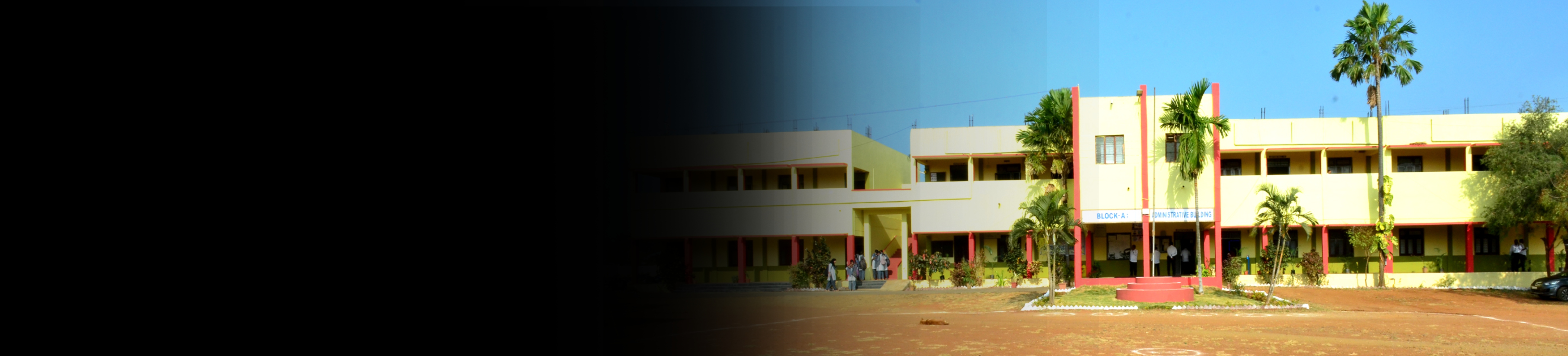
RTE Societys Arts Science and Commerce Degree College
Karnatak University Dharwad,Science
Ranebennur, Haveri, India
COURSES & FEES
| Courses | Fees | CutOff / Eligibility Criteria | Action |
|---|---|---|---|
| B.Sc. Physics & Mathematics | ₹- | - | Apply Now |
| B.Sc. Physics & Chemistry | ₹- | - | Apply Now |
| B.Sc. Chemistry & Zoology | ₹- | - | Apply Now |
| B.Sc. Botany & Zoology | ₹- | - | Apply Now |
| B.Sc. Chemistry & Botany | ₹- | - | Apply Now |
| B.A. Geography, Political Science | ₹- | - | Apply Now |
| B.A. Political Science, History | ₹- | - | Apply Now |
| B.A. Geography, Economics | ₹- | - | Apply Now |
| B.A. Sociology, History | ₹- | - | Apply Now |
| B.A. History, Economics | ₹- | - | Apply Now |
| B.A. History, Kannada | ₹- | - | Apply Now |
| B.Sc. Physics & Computer Science | ₹- | - | Apply Now |
| B.COM | ₹- | - | Apply Now |
RTES Arts Science and Commerce College Fees Structure, has been thoughtfully designed to balance affordability, accessibility, and academic quality, ensuring that students from diverse socio-economic backgrounds, especially those from rural and semi-urban areas, can pursue higher education without facing financial barriers, and what sets the institution apart is its transparent and student-friendly fee system that clearly communicates the tuition charges, laboratory fees, library fees, examination costs, hostel expenses, and other academic contributions so that there are no hidden costs or last-minute surprises for parents and students. The fee structure of RTES Arts, Science and Commerce College is designed to be affordable, transparent, and student-friendly. The fees are structured differently for the Arts, Science, and Commerce streams, considering laboratory requirements, learning resources, and other academic needs. Compared to many private institutions, RTES offers value-for-money education without compromising on quality. Every academic year, the management reviews and revises the fee structure in alignment with university and government norms. The Arts stream has the lowest fee range among the three streams since it does not require heavy laboratory expenses. Typical inclusions in Arts stream fees: Tuition fees Library fees Examination and registration charges Student union and extracurricular fees The Arts program is popular among students seeking cost-effective higher education in disciplines like History, Sociology, Political Science, and Economics. Annual fees for Arts students are kept minimal to encourage participation from economically weaker sections. The Science stream carries slightly higher fees compared to the Arts due to lab-based courses. Components of Science fees: Tuition fees (core subject learning) Laboratory fees (Physics, Chemistry, Biology, Computer Science) Library and digital resource charges Exam and university registration costs The laboratory fees cover chemicals, instruments, software, and maintenance of facilities. Despite the additional costs, the Science stream remains highly affordable compared to private science colleges. The Commerce stream fee structure is moderately priced, usually between Arts and Science. Main inclusions: Tuition fees for subjects like Accounting, Business Studies, and Taxation Computer and business lab usage fees Examination and university affiliation costs Resource materials and library fees The fees reflect the demand for career-oriented training while remaining within reach of students. Apart from the main tuition fees, students may incur some additional charges: Examination Fees - Paid to the university for semester or annual exams. Library Fees - To maintain books, journals, and digital resources. Laboratory Fees - Especially applicable for Science students. Student Union/Activity Fees - Supporting cultural, sports, and extracurricular events. Hostel fees are separate from academic tuition. The structure usually includes: Room Rent - Based on single, double, or shared occupancy. Mess Fees - Covering food and kitchen services. Maintenance Charges - For electricity, water, and upkeep. The hostel fee structure is also kept economical to attract students from outstation areas. Scholarships and discounts are sometimes offered for meritorious hostel students. RTES College strongly supports students through scholarships and fee concessions. Types of scholarships include: Government scholarships for SC, ST, OBC, and economically weaker students. Merit-based scholarships for top-performing students. Fee waivers for students from low-income families. Special incentives for girls, differently-abled, and rural students. The college provides flexible payment methods: Cash payments at the office. Bank transfers or online transactions. Fee instalment options for families unable to pay at once. Payment schedules are communicated clearly at the beginning of each academic year. Compared to many private and autonomous colleges, RTES offers a significantly lower fee structure. Students receive high-quality education, infrastructure, and faculty support at a fraction of the cost. Alumni often state that the return on investment is excellent given the affordable fees and career opportunities. The fee structure is openly displayed on notice boards and communicated during admission. No hidden or unauthorised charges are imposed on students. Parents and guardians appreciate the fairness and clarity in fee policies. The student community at RTES is diverse because the fee structure attracts learners from different socio-economic groups. The management aims to maintain affordability while upgrading facilities. Click here for more information on RTES Arts Science and Commerce College Fees Structure RTES Arts, Science and Commerce College offers a wide range of undergraduate courses catering to students’ academic interests and career aspirations. The three main streams are Arts, Science, and Commerce, each offering subject combinations that allow flexibility for students. Add-on certificate programs, co-curricular activities, and career-oriented training also complement the main degree programs. The Arts stream is popular among students who wish to pursue careers in teaching, civil services, journalism, law, social work, and public administration. History - Understanding Indian and world history, cultural heritage, and socio-political evolution. Economics - Principles of microeconomics, macroeconomics, development economics, and the Indian economy. Sociology - Social institutions, cultural dynamics, and issues like gender, caste, and development. Languages - Kannada, English, Hindi, and Sanskrit to enhance communication and literary skills. Optional Electives - Philosophy, Psychology, or Education (depending on availability). Bachelor of Arts (B.A.) with combinations such as: History, Economics, Political Science Sociology, Economics, History Political Science, Sociology, History Economics, Sociology, Optional Language Each subject combination is designed to prepare students for specific competitive exams and higher education. Physics - Mechanics, optics, electronics, thermodynamics, and quantum theory. Chemistry - Inorganic, organic, physical chemistry, and analytical methods. Mathematics - Algebra, calculus, statistics, and applied mathematics. Biology - Zoology, botany, genetics, and environmental biology. Computer Science - Programming, database management, networks, and software tools. Optional Add-ons - Environmental science, electronics, or statistics (varies with curriculum). Bachelor of Science (B.Sc.) with subject combinations such as: Physics, Chemistry, Mathematics (PCM) Chemistry, Botany, Zoology (CBZ) Physics, Mathematics, Computer Science (PMCS) Physics, Electronics, Mathematics (PEM) Each combination allows students to choose career tracks in pure sciences, applied sciences, or professional fields. Engineering, Medicine (via entrance exams), Research, Biotechnology, IT Sector, Teaching, Environmental Sciences. Students often progress to M.Sc., MCA, MBA, or professional degrees. Financial Accounting - Principles of accounts, corporate accounting, and cost accounting. Business Studies - Business environment, management, entrepreneurship, and company law. Economics for Commerce - Managerial economics, business economics, Indian economy. Banking and Insurance -Fundamentals of banking systems and insurance management. Taxation - Income tax, GST, and corporate tax. Computer Applications in Business - Tally, MS Office, business software. Bachelor of Commerce (B.Com) with specialisation tracks: General B.Com covering core business subjects. B.Com with Computer Applications. B.Com with Taxation and Finance focus. Optional certificate programs in Accounting Software, E-Commerce, or Business Analytics complement the curriculum. Chartered Accountancy (CA), Company Secretary (CS), MBA, Banking, Finance, Auditing, and Entrepreneurship. In addition to degree programs, RTES College encourages short-term certification and vocational courses. Some examples include: Certificate in Computer Applications. Certificate in Spoken English and Communication Skills. Click here for more information on RTES Arts Science and Commerce College Courses. The Bachelor of Commerce (B.Com) program is one of the most popular courses at RTES Arts, Science and Commerce College. Fees are transparent, with no hidden charges, and follow university guidelines. The tuition fee for B.Com is moderate compared to private institutions. t covers: Access to faculty mentoring and tutorials. Annual tuition is structured to encourage more students to choose Commerce as a career path. Parents and students often appreciate the balance between cost and quality of education. Along with tuition, B.Com students are required to pay some extra charges: Examination Fees - Paid to the university for semester and annual exams. Library Fees - To access textbooks, journals, and digital resources. Computer Lab Fees - As B.Com integrates accounting software, business applications, and IT skills. Student Activity Fees - For participation in cultural, sports, and business fests. For students from outside Ranebennur or nearby areas, hostel facilities are available at reasonable charges. Hostel fees include: Room Rent - Based on shared or individual occupancy. Mess Charges - Nutritious meals provided daily. Maintenance - Covering electricity, water, and security. Hostel costs are kept affordable to support students from rural backgrounds. The college ensures that financial limitations do not stop deserving students from pursuing B.Com. Scholarships available include: Government Scholarships for SC, ST, OBC, and economically weaker students. Fee Concessions for needy students based on income certificates. Students can pay their B.Com fees in flexible modes such as: Direct payment at the office. Online transfer or bank payment. Instalment facilities for families who cannot pay the full fee at once. This flexibility ensures students are not burdened financially at the start of the year. B.Com fees at RTES College are much lower than those at most private commerce colleges. Students receive quality education, skilled faculty guidance, and access to resources at a fraction of the cost. Many alumni highlight that the return on investment is high because of the career opportunities available after graduation. Click here for more information on RTES Arts Science and Commerce College Bcom Fees. The Bachelor of Science (B.Sc.) program at RTES Arts, Science and Commerce College is one of the flagship offerings. The fee structure is carefully designed to keep education affordable, inclusive, and transparent while accounting for laboratory and resource requirements. Compared to many private science colleges, RTES maintains reasonable costs so that rural and urban students alike can pursue higher education in science. The B.Sc. fees are structured to cover academic, laboratory, and student support facilities without imposing hidden charges. Faculty guidance, mentoring, and tutorials. The tuition fee remains moderate in order to encourage students to choose scientific disciplines without financial strain. RTES places emphasis on ensuring tuition fees are balanced with the actual value of resources provided. Science courses require well-equipped laboratories, and thus, lab fees are a crucial part of the B.Sc. Despite the inclusion of these costs, the college keeps lab fees much lower than those of private institutions. In addition to tuition and lab fees, students pay some nominal academic charges: Examination Fees - Paid to the affiliated university for semester and annual exams. Library Fees - To access textbooks, scientific journals, e-resources, and reference material. Student Activity Fees - Supporting participation in academic clubs, seminars, and science fairs. Identity Card and Administrative Fees - Small one-time charges at the time of admission. These charges are clearly mentioned at the time of admission, ensuring full transparency. For outstation students, the college provides affordable hostel facilities. Hostel fees usually include: Room Rent - Depending on shared or individual occupancy. Mess Charges - Nutritious meals offered three times a day. Maintenance - Covering electricity, water supply, and security. The hostel environment is designed to be safe, disciplined, and study-friendly. Hostel fees are kept reasonable, considering the financial background of students from rural areas. The college ensures that talented students are not denied education due to financial constraints. Scholarships offered include: Government Scholarships - For SC, ST, OBC, and economically weaker students. Need-Based Concessions - For students from low-income families. Special Incentives – For girl students, differently-abled, and rural learners. These scholarships can cover part or even the entire tuition fee in some cases. The college allows students to pay fees in multiple modes: Direct payment at the office. Online transfers or bank drafts. Instalment facilities for families facing financial difficulties. Payment schedules are communicated clearly at the beginning of each academic year. Compared to autonomous and private colleges, RTES B.Sc. fees are significantly lower. While private institutions often charge high amounts for labs and tuition, RTES keeps costs balanced. Students gain access to the same quality of labs, faculty, and resources at a fraction of the cost. Parents often highlight this affordability as a key reason for choosing RTES. The affordability of fees ensures wider access to science education. Students get: Qualified and experienced faculty. Updated laboratory equipment. Graduates often find the cost of education to be justified by the career opportunities that open up after completing a B.Sc. Click here for more information on RTES Arts Science and Commerce College Bsc Fees. RTES Arts Science and Commerce College Fees Structure, the Commerce stream has a moderate fee structure that includes not only tuition but also business laboratory access, computer application training, and resources for subjects like accounting, taxation, finance, and business studies, and the college ensures that all students, regardless of stream, benefit from library facilities that house thousands of books, reference journals, and e-resources, and a nominal library fee is charged for maintenance and digital access. Similarly, university examination fees are collected as per the affiliating university norms. In contrast, student activity fees support cultural, sports, and academic events organized on campus, and the college also charges a small amount for identity cards, certificates, and administration.RTES Arts Science and Commerce College Fees Structure
Introduction to Fee Structure
Fee Structure for Arts Stream
Fee Structure for Science Stream
Fee Structure for Commerce Stream
Additional Charges Beyond Tuition
Hostel and Accommodation Fees
Scholarship Support and Fee Concessions
Payment Modes and Instalment Options
Comparison with Other Institutions
Transparency and Accountability
Impact of Affordable Fees
Future Plans for Fee Structure
RTES Arts Science and Commerce College Courses
Introduction to Courses
Arts Courses
Subjects Offered in Arts
Course Structure in Arts
Subjects Offered in Science
Course Structure in Science
Career Prospects in Science
Subjects Offered in Commerce
Course Structure in Commerce
Career Prospects in Commerce
Add-On Certificate and Skill-Based Courses
RTES Arts Science and Commerce College Bcom Fees
Introduction to BCom Fees
Tuition Fees
Additional Academic Charges
Hostel and Accommodation Fees
Scholarships and Concessions
Payment Options
Affordability Compared to Other Colleges
RTES Arts Science and Commerce College Bsc Fees
Introduction
Tuition Fees for B.Sc.
Laboratory Fees
Additional Academic Charges
Hostel and Accommodation Fees
Scholarships and Fee Concessions
Payment Flexibility
Comparison with Other Institutions
Value for Money Education
Conclusion
Get College Name, District
Admission Form 2026
More About
Info
Admission
Cutoff
Placements
Scholarship
Gallery
Facility
Review
Q & A
Students Also Visited

College Name
Admissions Open for All Courses 2026
Visit Us
Basavanagudi, Bengaluru
Karnataka - 560004
.png)
GetMyCollege
India's most trusted college admission platform. Join thousands of students who found their dream college with expert guidance.
Company
About Us
Compare Colleges
Contact Us
Privacy Policy
Terms & Conditions
Ready to Find Your Dream College?
Free counselling available — no registration required
Top Colleges
RV Institute of Technology and Management
PES College of Engineering
BMS Institute of Technology and Management
Dayananda Sagar Institute of Technology
BNM Institute of Technology
Sir M Visvesvaraya Institute Of Technology
RNS Institute of Technology
Top Streams
Medical
Para Medical
Engineering
Nursing
LLB
Science
Arts & Design
Diploma
Pharmacy
Commerce
IT
Study Abroad
🇨🇦 Canada
🇸🇪 Sweden
🇦🇺 Australia
🇩🇪 Germany
🇬🇧 UK
🇺🇸 USA
🇫🇷 France
🇨🇳 China
🇦🇪 UAE
🇮🇹 Italy
🇳🇿 New Zealand
Articles
Pre University Result
PU College Admissions 2026
CBSE 10th Exam Syllabus
Best PU Colleges in Bangalore
JEE, NEET with PU Colleges
Why BBA after 12th
Engineering Revaluation Complete Guide
Top Residential PU Colleges in Bangalore
Copyright © 2026
GetMyCollege.com.
All Rights Reserved.