.png&w=1920&q=75)
Medical
Paramedical
Engineering
Pharmacy
Nursing
Management
Diploma
Science
Law
Study Abroad

Admissions open 2026-27
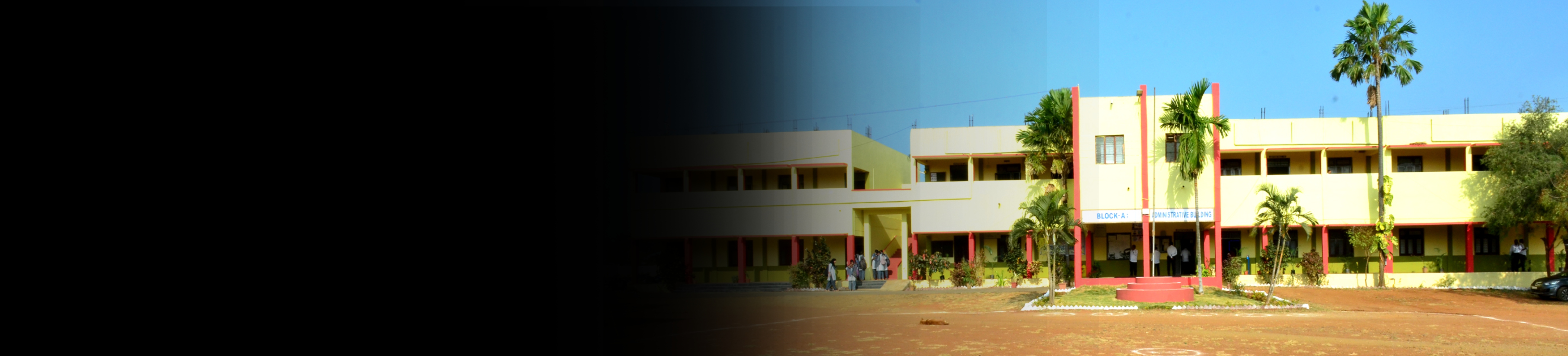
RTE Societys Arts Science and Commerce Degree College
Karnatak University Dharwad,Science
Ranebennur, Haveri, India
CUT OFF
| Courses | Fees | CutOff / Eligibility Criteria |
|---|---|---|
| B.Sc. Physics & Mathematics | - | - |
| B.Sc. Physics & Chemistry | - | - |
| B.Sc. Chemistry & Zoology | - | - |
| B.Sc. Botany & Zoology | - | - |
| B.Sc. Chemistry & Botany | - | - |
| B.A. Geography, Political Science | - | - |
| B.A. Political Science, History | - | - |
| B.A. Geography, Economics | - | - |
| B.A. Sociology, History | - | - |
| B.A. History, Economics | - | - |
| B.A. History, Kannada | - | - |
| B.Sc. Physics & Computer Science | - | - |
| B.COM | - | - |
RTES Arts Science and Commerce College Cutoff has established a structured and merit-based admission process to ensure that students are selected fairly and transparently, with the cutoff system playing a pivotal role in this process. The cutoff is essentially the minimum percentage or marks that a student must have obtained in their qualifying examination, such as the 12th grade, PUC, or equivalent, to be eligible for admission into a specific course or stream. The cutoff of RTES Arts, Science and Commerce College refers to the minimum marks or percentage required in the qualifying examination (PUC/12th/Equivalent) to secure admission in a specific course. Cutoffs are determined annually based on student performance, number of applicants, seat availability, and category reservation norms. Number of Applicants: Higher competition leads to higher cutoff percentages. Total Seats Available: Limited seats in popular courses can increase cutoff requirements. Student Performance: Overall performance in the board exams influences cutoffs each year. Course Popularity: Courses in high demand, like Commerce and Science streams, generally have higher cutoffs than less sought-after courses. Category Reservation: SC/ST/OBC/minority reservations affect cutoffs for respective categories. Merit List Strategy: Colleges may adjust cutoffs to balance merit and reserved seats. General Merit Cutoff: Minimum percentage required for students in the general category. Category-Wise Cutoff: Separate cutoffs for reserved categories such as SC, ST, OBC, and minority groups. Course-Specific Cutoff: Different cutoffs for Arts, Science, and Commerce streams, and for specific subjects like Physics, Chemistry, or Economics. Management/Quota Cutoff: Some seats under management or special quotas may have a different, often lower, cutoff requirement. Arts stream cutoffs depend on the number of applicants in subjects like History, Political Science, Sociology, English, or Languages. Popular subjects generally have higher cutoffs due to demand. Students in the general category may require higher percentages compared to the reserved categories. Arts stream cutoffs are flexible and often vary slightly each year depending on board exam results. The college may consider overall marks or specific subject marks for certain language or literature courses. The science stream is one of the most competitive streams at RTES College. Subjects like Physics, Chemistry, Mathematics, and Biology usually require high marks in PUC/12th standard exams. Students applying for Biology-related courses may require higher marks in science subjects, whereas Mathematics-focused courses emphasise math scores. General category students generally need higher cutoff percentages (often above 75–80%) for top science courses. Reserved category students may have a relaxation of 5–10% depending on government norms. Commerce courses focus on subjects like Accountancy, Business Studies, Economics, and Mathematics. Cutoffs for Commerce can be high, especially for general category students with strong academic records. Students from reserved categories may benefit from relaxed cutoffs. Sometimes, college considers both overall percentage and specific subject marks for eligibility. RTES College announces the cutoff after the declaration of the board exam results. Cutoff is usually published in the form of a merit list on the college notice board and website. Separate cutoffs are displayed for each stream, subject, and category. Cutoff lists may include multiple rounds, with subsequent rounds released if seats remain vacant. Students must check the official list carefully to ensure eligibility before applying. The merit list is prepared based on marks scored in the qualifying exam and the cutoff set by the college. Students who meet or exceed the cutoff are eligible to appear in counselling or admission rounds. If two students have equal marks, tie-breaking rules like subject-wise scores, date of birth, or application date may apply. Meeting the cutoff does not guarantee admission; it ensures eligibility for the next stage of selection. SC/ST/OBC and minority students are given a relaxation in the cutoff percentage as per government policies. For example, a general category may require 75% marks in Science, whereas OBC students may be admitted with 65–70%. Physically challenged or differently-abled students may have further relaxations in the cutoff criteria. Analyse last year’s cutoff trends for the same course and stream. Check the competition level and total seats available. Take into account the overall performance in the qualifying exams and category. Contact the college admission office for guidance and historical cutoff data. Consider slight variations in cutoff due to board exam difficulty or changes in seat availability. Science courses at RTES College generally have the highest cutoff percentages. Arts courses may have moderate cutoffs but vary by subject popularity. Commerce courses are competitive due to career-oriented demand. Historical data helps students plan and choose the most suitable stream and course. Cutoff trends are influenced by both student performance and course demand. Some seats may be reserved under management quota, sports quota, or other special categories. Cutoff for these seats may differ and is usually lower than general merit cutoffs. Students applying under these quotas must provide valid documents or certificates for verification. Cutoff lists are available on the college’s official website and notice board. Students must verify their eligibility based on stream, course, and category. Online portals may also allow students to check their rank and expected cutoff. The college helpline or admission office can provide clarification if the cutoff information is unclear. Only students who meet the cutoff are called for counselling. Counselling involves document verification, seat allotment, and final admission confirmation. Multiple rounds of counselling may occur if seats remain vacant after the first round. Click here for more information on RTES Arts Science and Commerce College Cutoff The cutoff percentage of RTES Arts, Science, and Commerce College refers to the minimum marks or percentage a student must secure in the qualifying examination (12th/PUC or equivalent) to be eligible for admission. Cutoff percentage varies each year based on student performance, competition, and seat availability. Number of Applicants: More applicants increase competition, leading to higher cutoff percentages. Total Seats Available: Limited seats in popular courses often result in higher cutoffs. Student Performance: Overall board exam performance influences cutoff trends. Course Popularity: Highly demanded courses, like Science or Commerce, have higher cutoff percentages. Reservation Policies: Category-wise reservations (SC/ST/OBC/Minority) affect cutoff percentages for different groups. Merit List Requirements: Colleges adjust cutoffs to ensure a balance between merit-based seats and reserved quotas. Arts stream courses generally have a moderate cutoff percentage compared to Science or Commerce. Popular subjects like English, History, Political Science, Sociology, and Psychology may have cutoff percentages ranging from 55% to 75% for general category students. Reserved categories such as SC/ST/OBC often enjoy a relaxation of 5–10%, depending on government norms. Students applying for language courses may have slightly lower cutoff percentages, as these subjects have fewer applicants. Arts stream cutoffs are flexible and change annually depending on the performance of applicants. The science stream is highly competitive, requiring higher cutoff percentages. Courses like Physics, Chemistry, Mathematics, and Biology generally require 75% to 90% for general category students. Students opting for professional courses like Biotechnology, Microbiology, or Computer Science may need even higher marks in specific subjects. Reserved category students receive a relaxation of 5–10%, depending on the category. Science stream cutoffs are influenced by the number of students applying for competitive courses and the overall difficulty level of board exams. Commerce courses focus on subjects like Accountancy, Economics, Business Studies, and Mathematics. General category students applying for the Commerce stream may need 70% to 85% depending on the popularity of the subject combination. Reserved category students get a relaxation of 5–10%, lowering the cutoff percentage to around 60%–75%. Click here for more details on RTES Arts Science and Commerce College Cutoff Percentage The minimum marks refer to the lowest percentage required for eligibility in a course. They are based on the student’s performance in qualifying exams (PUC/12th/Equivalent). Different streams have different minimum marks criteria. The The Arts stream generally requires lower minimum marks compared to Science or Commerce. The science stream has the highest minimum marks due to its competitive nature. The Commerce stream has moderate minimum marks, higher than the Arts stream. General category students usually require higher minimum marks. OBC category students get a relaxation of 5–7% in the minimum marks. SC/ST students are given a relaxation of 10–15%. Minority and special category students may have similar relaxations. Students applying under the physically challenged quota may receive additional relaxation. Minimum marks may vary for specific subjects within the stream. For Arts, subjects like History, Political Science, and Sociology may have a cutoff around 50–60%. For English or languages, the Arts stream may require a minimum of 45–55%. Science courses such as Physics, Chemistry, Biology, and Math require 70–90% for the general category. Reserved category students in the Science stream may be eligible with 60–75% marks. Click here for more information, RTES Arts Science and Commerce College Minimum MarksRTES Arts Science and Commerce College Cutoff
Introduction to College Cutoff
Factors Affecting the Cutoff
Types of Cutoff at RTES College
Cutoff for Arts Stream
Cutoff for Science Stream
Cutoff for Commerce Stream
How Cutoff is Released
Merit List and Cutoff Relationship
Category-Wise Cutoff Relaxation
Estimate Expected Cutoff
Cutoff Trends
Cutoff During Special Quotas
How to Check Cutoff
Counselling and Cutoff
RTES Arts Science and Commerce College Cutoff Percentage
Introduction to Cutoff Percentage
Factors Influencing Cutoff Percentage
Cutoff Percentage for Arts Stream
Cutoff Percentage for Science Stream
Cutoff Percentage for Commerce Stream
RTES Arts Science and Commerce College Minimum Marks
Minimum Marks Information
Conclusion
RTES Arts Science and Commerce College Cutoff, The factors influencing the cutoff at RTES College are multifaceted. The number of applicants in a given year is a primary determinant; higher competition naturally pushes the cutoff higher. Similarly, the total number of seats available in each stream affects the cutoff percentage. Courses with limited seats, particularly in Science and Commerce streams, often have higher cutoffs, whereas streams like Arts, with a broader range of elective subjects, may have slightly lower cutoffs. Another significant factor is the performance of students in the qualifying examinations. If the overall performance of students is exceptionally high, the cutoff tends to increase, reflecting the competitive environment.
Get College Name, District
Admission Form 2026
More About
Info
Courses & Fees
Admission
Placements
Scholarship
Gallery
Facility
Review
Q & A
Students Also Visited

College Name
Admissions Open for All Courses 2026
Visit Us
Basavanagudi, Bengaluru
Karnataka - 560004
.png)
GetMyCollege
India's most trusted college admission platform. Join thousands of students who found their dream college with expert guidance.
Company
About Us
Compare Colleges
Contact Us
Privacy Policy
Terms & Conditions
Ready to Find Your Dream College?
Free counselling available — no registration required
Top Colleges
RV Institute of Technology and Management
PES College of Engineering
BMS Institute of Technology and Management
Dayananda Sagar Institute of Technology
BNM Institute of Technology
Sir M Visvesvaraya Institute Of Technology
RNS Institute of Technology
Top Streams
Medical
Para Medical
Engineering
Nursing
LLB
Science
Arts & Design
Diploma
Pharmacy
Commerce
IT
Study Abroad
🇨🇦 Canada
🇸🇪 Sweden
🇦🇺 Australia
🇩🇪 Germany
🇬🇧 UK
🇺🇸 USA
🇫🇷 France
🇨🇳 China
🇦🇪 UAE
🇮🇹 Italy
🇳🇿 New Zealand
Articles
Pre University Result
PU College Admissions 2026
CBSE 10th Exam Syllabus
Best PU Colleges in Bangalore
JEE, NEET with PU Colleges
Why BBA after 12th
Engineering Revaluation Complete Guide
Top Residential PU Colleges in Bangalore
Copyright © 2026
GetMyCollege.com.
All Rights Reserved.