.png&w=1920&q=75)
Medical
Paramedical
Engineering
Pharmacy
Nursing
Management
Diploma
Science
Law
Study Abroad
Admissions open 2026-27
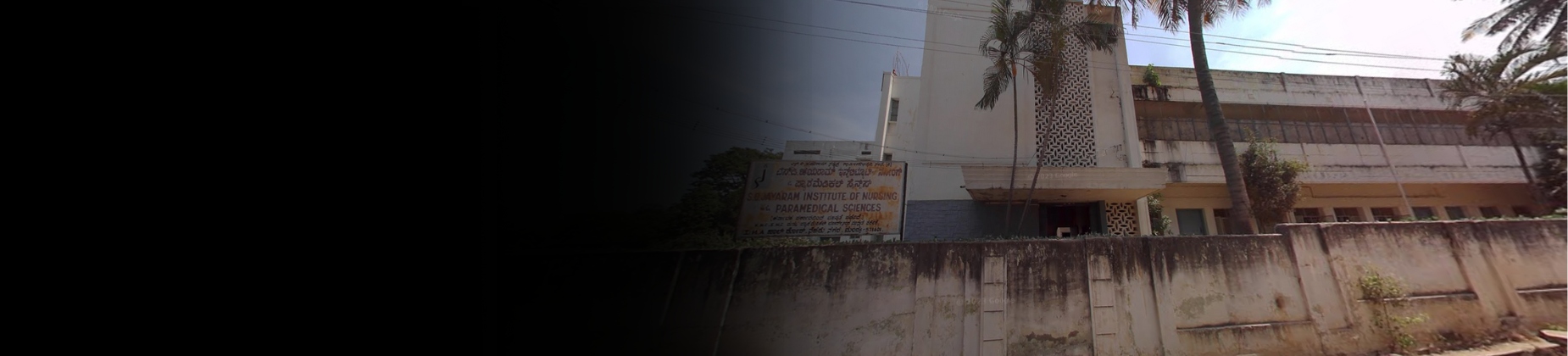
SD Jayaram Institute of Paramedical Sciences
Adichunchanagiri University,Paramedical
Nehru Nagar, Mandya, India
COURSES & FEES
| Courses | Fees | CutOff / Eligibility Criteria | Action |
|---|---|---|---|
| Diploma in Medical laboratory Technology | ₹2L | 55% | Apply Now |
| Diploma in operation Theater & anaesthesia technology | ₹2L | 55% | Apply Now |
| Diploma in Ophthalmic Technology | ₹2L | 55% | Apply Now |
| Diploma in X ray technology | ₹2L | 55% | Apply Now |
| Diploma in Dialysis technology | ₹2L | 55% | Apply Now |
SD Jayaram Institute of Paramedical Sciences Courses offers a variety of undergraduate and diploma courses that equip students with essential skills and knowledge to excel in the paramedical field.
1. Diploma in Medical Laboratory Technology (DMLT)
Year 1:
Clinical Biochemistry: The term refers to the chemical constituents and processes of the living organism. In addition, it involves looking at bodily fluids such as blood and urine named conditions which are not limited to the fields of diabetes, nephrology, and hepatology.
Hematology: concerns itself with blood and blood transfusion-related problems. It also has practical lab sessions where students learn how to make blood films and do some tests such as, but not limited to, a Complete Blood Count (CBC) for the diagnosis of diseases like anemias, leukemias, etc.
Microbiology: In this particular unit, the students will learn about microorganisms that include: but are not limited to bacteria – viruses – fungi – and their diseases.
Pathology: It is the relationship between the disease process and organ, tissue, and fluid specimens.
Year 2:
Immunology: This study subsection deals with the structure of various stages/levels of body defense.
2. Diploma in Ophthalmic Technology (DOT)
Year 1:
Basic Anatomy and Physiology of the Eye: Focuses on the operational unit of the eye.
Optical Physics: This unit addresses, in general, the optical principles concerning the human eye, as well as artificial optical devices, that is lenses, for the enhancement of vision.
Ophthalmic Instruments and Techniques: Instructs on the use and care of equipment played during surgery or examination of the eye such as slit lamp, tonometer, or an ophthalmoscope.
Year 2:
Ocular Diseases and Conditions: This includes studying conditions affecting the eyes such as cataracts and glaucoma; conjunctivitis and eye refractive errors, and forwarding assistance in the assessment of the same.
Clinical Optometry: Focuses on conducting eye examinations on refraction methods and designing orthopedic glasses for patients.
Ocular Pharmacology: The study of all the medications used to counter all eye diseases.
3. Diploma in Operation Theatre (OT) Technology
Year 1:
Human Anatomy and Physiology: Focuses on the structure and functions of the human body, with a particular emphasis on surgical anatomy. Students learn about organ systems (cardiovascular, respiratory, musculoskeletal) and their relevance to surgery.
Surgical Procedures and Techniques: Teaches students about common surgical procedures (appendectomy, cesarean section, etc.) and the roles of the surgical team.
Anesthesia Technology: Introduction to the basics of anesthesia, including types (general, regional, local), techniques, and equipment used in providing anesthesia during surgeries.
Year 2:
Sterilization Techniques and Infection Control: This subject covers sterilization methods, such as autoclaving, and infection control practices in the operating room.
Post-Operative Care: Focuses on patient care after surgery, including wound care, monitoring vital signs, and recognizing signs of complications.
Emergency and Trauma Care: Students are trained in handling trauma patients, including managing fractures, burns, and wounds, and performing basic life support (BLS) in emergency situations
4. General Nursing and Midwifery (GNM)
Year 1:
Fundamentals of Nursing: Deals with Introduction to Professional Nursing and its Core Competencies, including patient care amenities such as personal hygiene, making and turnover of beds, feeding little children, and monitoring vital signs, among other duties. It also incorporates into the student the value of caregiving.
Community Health Nursing: This allows learners to grasp the very principles of public health and its particular areas of coverage. Which means, activities in immunization clinics, family welfare, rural health programs, etc.
Nutrition and Dietetics: Teaches the fundamentals of nutrition in human beings, for example, the way to make and serve adequately healthy meals for sick patients and the importance of nutrition in averting or controlling specific diseases.
Year 2:
Medical-Surgical Nursing: This subject focuses on nursing care for patients undergoing surgery or dealing with medical conditions like heart disease, diabetes, and respiratory disorders.
Pediatric Nursing: Centers on nursing care for babies, children, and teenagers. The pupil learns how to deal with pediatric diseases, give vaccinations, and look after newborns in the neonatal ICUs.
Midwifery and Obstetric Nursing: Prepares students to care for pregnant women during labor, delivery, and postpartum.
Know all the details about the Courses SD Jayaram Institute of Paramedical Sciences Courses.
SD Jayaram Institute of Paramedical Sciences fees
1. Advanced Diagnostic and Medical Labs
Microbiology Lab: Equipped with culture media, microscopes, and biochemical testing kits, students practice identifying and isolating bacteria, fungi, and other pathogens.
Hematology Lab: Features automated cell counters and manual microscopes for learning blood analysis techniques. Students practice performing complete blood counts, clotting profiles, and differential blood tests.
Biochemistry Lab: Equipped with devices like spectrophotometers and automated analyzers, allowing students to perform tests on blood, urine, and other body fluids to measure biochemical parameters such as glucose, cholesterol, and proteins.
Toxicology Lab: This lab enables students to identify toxins in biological samples, teaching methods like chromatography and ELISA (enzyme-linked immunosorbent assay).
2. Advanced Physiotherapy and Rehabilitation Centre
Electrotherapy Units: The center includes equipment such as interferential therapy units, TENS (Transcutaneous Electrical Nerve Stimulation) units, and ultrasound therapy machines that help students understand physical therapy treatments for pain relief and muscle recovery.
Hydrotherapy Pools: to learn aquatic therapy techniques these specially designed pools with a setting for students. Physical rehabilitation techniques such as joint mobilization in a water-based environment and muscle strengthening were taught to the students.
Biomechanical Analysis Room: Equipped with pressure mats and motion sensors to help students analyze the gait, posture, and movement of patients, facilitating accurate diagnosis and treatment planning for physical rehabilitation.
3. Clinical Skills Simulation Labs
High-Fidelity Mannequins: These mannequins simulate real patient responses, such as breathing, heart rates, and reactions to medications. Students practice critical care procedures like CPR, emergency response, intubation, and defibrillation on these mannequins.
Patient Interaction Simulation: The lab also features scenarios where students engage with simulated patients in both physical and virtual environments. Developing communication, and patient handling skills was been done by simulators.
4. Bio-Medical Equipment Labs
Medical Equipment Maintenance: Students are trained to perform calibration, troubleshooting, and maintenance of biomedical equipment.
Biomedical Instrumentation Practice: The lab is equipped with instruments like pulse oximeters, ECG machines, and portable patient monitors. Setting up, operating, and interpreting data from these devices was practiced by students.
5. Library and E-Learning Resources
Digital Resources: The library provides access to online databases such as PubMed, ScienceDirect, and Springer.
E-Books and Textbook Loan System: A vast collection of e-books is available for students to access anywhere, along with a physical textbook loan system for in-depth study materials.
6. Medical Simulation Centre
Virtual Reality (VR) Training: Students use VR technology to experience medical scenarios that mimic real-world situations. For instance, they might simulate an emergency surgery or a patient’s recovery process, offering them a risk-free environment to practice decision-making.
Critical Care Simulation: Scenarios like multi-organ failure or trauma are created for students to diagnose and treat under time pressure, allowing them to develop quick thinking and accurate clinical judgment.
7. Digital Health and Telemedicine Labs
Telehealth Platforms: The lab is equipped with telemedicine systems, including video conferencing software and secure communication platforms for remote patient consultations.Conducting virtual consultations and documenting patient records where practice by students.
Electronic Medical Records (EMR) Systems: Students learn to navigate modern EMR software used in hospitals to record patient data, test results, treatment plans, and prescriptions in a digital format.
Telemedicine Simulation Tools: Simulated telemedicine consultations with actors or digital avatars allow students to practice online communication, diagnosis, and treatment planning.
8. Hands-on Research and Biotechnology Labs
Bioinformatics Tools: Advanced computer systems equipped with bioinformatics software allow students to analyze biological data such as protein structures, gene sequences, and clinical trial data.
9. On-Campus Hostel Facilities
Student Dormitories: The hostel offers a range of dormitories, each with well-furnished rooms, Wi-Fi connectivity, air conditioning, and recreational spaces.
Cafeteria and Food Court: A 24-hour cafeteria with meals prepared following health standards. The food court also includes the options like snacks, and light meals to cater to student preferences.
Recreational Areas: The hostel provides common areas for relaxation, a library, and a lounge where students can interact and unwind during their free time.
10. Green and Sustainable Campus Initiatives
Solar Panels and Energy Conservation: The solar energy to power certain sections of the building, contributing to the institution’s commitment to sustainability has been utilized by the campus.
Rainwater Harvesting: Systems are in place to collect and reuse rainwater, promoting responsible water usage across campus.
Know all the details about the fees at details SD Jayaram Institute of Paramedical Sciences Fees.
Conclusion:
The SD Jayaram Institute of Paramedical Sciences courses provide learners with both the necessary basic and practical knowledge and skills in paramedical science most especially in medical laboratory technology, radiology, and anesthesia among others. The Institute is particular about students’ acquiring practical and clinical skills as these are very important in the preparation for students’ entry into the healthcare industry.
Get College Name, District
Admission Form 2026
More About
Info
Admission
Cutoff
Placements
Scholarship
Gallery
Facility
Review
Q & A
Students Also Visited

College Name
Admissions Open for All Courses 2026
Visit Us
Basavanagudi, Bengaluru
Karnataka - 560004
.png)
GetMyCollege
India's most trusted college admission platform. Join thousands of students who found their dream college with expert guidance.
Company
About Us
Compare Colleges
Contact Us
Privacy Policy
Terms & Conditions
Ready to Find Your Dream College?
Free counselling available — no registration required
Top Colleges
RV Institute of Technology and Management
PES College of Engineering
BMS Institute of Technology and Management
Dayananda Sagar Institute of Technology
BNM Institute of Technology
Sir M Visvesvaraya Institute Of Technology
RNS Institute of Technology
Top Streams
Medical
Para Medical
Engineering
Nursing
LLB
Science
Arts & Design
Diploma
Pharmacy
Commerce
IT
Study Abroad
🇨🇦 Canada
🇸🇪 Sweden
🇦🇺 Australia
🇩🇪 Germany
🇬🇧 UK
🇺🇸 USA
🇫🇷 France
🇨🇳 China
🇦🇪 UAE
🇮🇹 Italy
🇳🇿 New Zealand
Articles
Pre University Result
PU College Admissions 2026
CBSE 10th Exam Syllabus
Best PU Colleges in Bangalore
JEE, NEET with PU Colleges
Why BBA after 12th
Engineering Revaluation Complete Guide
Top Residential PU Colleges in Bangalore
Copyright © 2026
GetMyCollege.com.
All Rights Reserved.