.png&w=1920&q=75)
Medical
Paramedical
Engineering
Pharmacy
Nursing
Management
Diploma
Science
Law
Study Abroad

Admissions open 2026-27
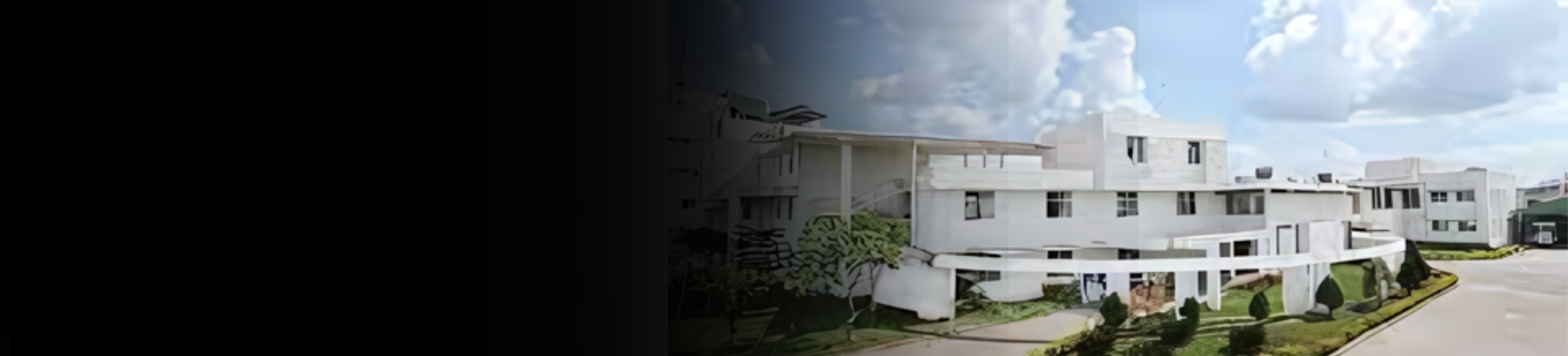
Nanjappa Institute of Allied Health Sciences
Rajiv Gandhi University of Health Sciences,Science
Gadikoppa, Shivamogga, India
COURSES & FEES
| Courses | Fees | CutOff / Eligibility Criteria | Action |
|---|---|---|---|
| BSc Medical Laboratory Technology (BSc.MLT) | ₹2L | 55% | Apply Now |
| BSc Perfusion Technology (BSc.PT) | ₹2L | 55% | Apply Now |
| BSc Anesthesia and Operation Theatre Technology (BSc.AOTT) | ₹2L | 55% | Apply Now |
| B Sc Medical Imaging Technology (B Sc. MIT) | ₹2L | 55% | Apply Now |
| BSc Cardiac Care Technology (BSc.CCT) | ₹2L | 55% | Apply Now |
| BSc Renal Dialysis Technology (BSc.RDT) | ₹2L | 55% | Apply Now |
Nanjappa Institute of Allied Health Sciences Fee Structure provides information about tuition fees and academic charges for allied healthcare programs offered by the institute. The fee structure generally includes tuition, laboratory training, and academic resource support required during the course duration. Students pursuing healthcare education at the institute may pay fees according to the program selected and the facilities used during training. Fee details may vary depending on course requirements and institutional policies followed for academic administration.
Nanjappa Institute of Allied Health Sciences Fee Structure
The fee structure includes tuition fees and academic charges required for allied healthcare programs. These fees support classroom education, practical laboratory training, and academic resources used during the healthcare courses offered by the institute.
Tuition Fee Structure
Tuition fees represent the main component of the Nanjappa Institute of Allied Health Sciences Fee Structure. The exact fee amount may differ depending on the allied health program selected by students.
Course-Based Tuition Fees: Tuition fees vary depending on the allied healthcare course selected by students during the admission process.
Academic Training Support: Tuition fees support classroom teaching, academic learning activities, and faculty guidance provided during the program.
Annual Payment Structure: The tuition fee payment structure usually follows the annual academic schedule set by the institute.
Institutional Fee Policy: Tuition fee regulations are applied according to the institutional academic administration policies.
Estimated Fee Structure Table
This section presents general fee details for courses, including tuition, laboratory, library, and hostel charges for students.
Note:The fee details shown above may vary from year to year depending on the Courses.
Fee Payment Guidelines
Initial tuition fees are paid during admission confirmation
Programs usually follow a yearly academic fee payment
Fee payments follow institutional administrative policies
Students should confirm updated fee details before admission
For more details about the Admissions, visit here: Nanjappa Institute of Allied Health Sciences Fee Structure.
Nanjappa Institute of Allied Health Sciences Courses
Nanjappa Institute of Allied Health Sciences Courses include undergraduate allied health science programs providing training in diagnostic services, surgical support, imaging technology, and clinical care. These programs combine academic learning and practical training to prepare students for healthcare roles.
Allied Health Science Course Overview
The following programs at Nanjappa Institute of Allied Health Sciences provide specialised training in diagnostic, surgical support, imaging, and clinical healthcare services.
BSc Medical Laboratory Technology (BSc.MLT)
Trains students to perform clinical laboratory tests, analyse medical samples, and support disease diagnosis in hospital laboratories.
BSc Anesthesia and Operation Theatre Technology (BSc.AOTT)
Prepares students to assist anaesthetists, manage operating theatre equipment, and support doctors during surgical procedures.
BSc Cardiac Care Technology (BSc CCT)
Focuses on monitoring heart conditions, assisting doctors during cardiac diagnostic procedures, and supporting patient care related to cardiovascular health.
BSc Renal Dialysis Technology (BSc.RDT)
Trains students to operate dialysis machines and assist patients undergoing kidney dialysis treatment in hospitals and dialysis centres.
BSc Perfusion Technology (BSc.PT)
Trains students to operate heart-lung machines and assist surgeons during cardiac surgery procedures in hospital operating theatres.
BSc Medical Imaging Technology (BSc MIT)
Trains students to perform diagnostic imaging procedures such as X-ray and assist doctors during medical imaging investigations.
Clinical Training and Practical Exposure
Practical training helps students gain real healthcare experience through laboratory sessions and clinical exposure during allied health science programs.
Laboratory Practical Sessions: Practical sessions conducted in healthcare laboratories for diagnostic and testing training.
Hospital-Based Training: Students gain clinical exposure in healthcare environments and hospital settings.
Diagnostic Skill Development: Training focuses on developing skills used in diagnostic and clinical procedures.
Professional Healthcare Experience: Practical exposure prepares students for real healthcare work environments.
Course Duration
Course duration is approximately 3 to 4 years
The academic program is divided into a yearly study structure
Includes theoretical healthcare subject learning
Prepares students for allied healthcare careers
For more details about the Gallery, visit here: Nanjappa Institute of Allied Health Sciences Courses.
Nanjappa Institute of Allied Health Sciences Fees
Nanjappa Institute of Allied Health Sciences Fees may include tuition, laboratory training, library resources, and other academic facilities used during the program. The overall fee structure generally supports classroom education, practical healthcare training, and student academic resources provided by the institute.
Laboratory and Practical Training Charges
Allied healthcare education requires practical learning in laboratories and training facilities. Laboratory charges support equipment usage and diagnostic training required for healthcare programs.
Practical Laboratory Sessions
Practical laboratory sessions help students learn diagnostic testing procedures, sample analysis methods, and clinical laboratory practices used in healthcare.
Laboratory Equipment Usage
Students use laboratory instruments and diagnostic equipment during training to understand testing methods used in hospitals and medical laboratories.
Clinical Testing Training
Clinical testing training helps students perform laboratory investigations and understand procedures used in disease diagnosis and medical testing.
Healthcare Standard Practices
Laboratory practical sessions follow healthcare laboratory practices, safety procedures, and testing protocols commonly used in hospitals and diagnostic centres.
Library and Academic Resources
Textbook Access: Students can use academic textbooks and healthcare study materials for learning during their allied health science programs.
Learning Support: Library resources support student learning and improve understanding of healthcare academic subjects.
Medical References: Reference materials related to medical and healthcare topics are available for academic study.
Resource Availability: Academic resources remain accessible for students throughout the course duration.
Hostel Accommodation Charges
Hostel details confirmed through the institute administration
Accommodation availability depends on campus policies
Hostel charges vary by accommodation type
Students verify hostel facilities before admission
For more details about the Facilities, visit here: Nanjappa Institute of Allied Health Sciences Fees.
Conclusion
The Nanjappa Institute of Allied Health Sciences Fee Structure provides an overview of tuition fees and academic charges for allied healthcare programs. Understanding the fee components, course duration, and training requirements helps students plan their education carefully. Fee details may vary depending on the selected course, facilities used, and institutional updates followed during the academic session.
Get College Name, District
Admission Form 2026
More About
Info
Admission
Cutoff
Placements
Scholarship
Gallery
Facility
Review
Q & A
Students Also Visited

College Name
Admissions Open for All Courses 2026
Visit Us
Basavanagudi, Bengaluru
Karnataka - 560004
.png)
GetMyCollege
India's most trusted college admission platform. Join thousands of students who found their dream college with expert guidance.
Company
About Us
Compare Colleges
Contact Us
Privacy Policy
Terms & Conditions
Ready to Find Your Dream College?
Free counselling available — no registration required
Top Colleges
RV Institute of Technology and Management
PES College of Engineering
BMS Institute of Technology and Management
Dayananda Sagar Institute of Technology
BNM Institute of Technology
Sir M Visvesvaraya Institute Of Technology
RNS Institute of Technology
Top Streams
Medical
Para Medical
Engineering
Nursing
LLB
Science
Arts & Design
Diploma
Pharmacy
Commerce
IT
Study Abroad
🇨🇦 Canada
🇸🇪 Sweden
🇦🇺 Australia
🇩🇪 Germany
🇬🇧 UK
🇺🇸 USA
🇫🇷 France
🇨🇳 China
🇦🇪 UAE
🇮🇹 Italy
🇳🇿 New Zealand
Articles
Pre University Result
PU College Admissions 2026
CBSE 10th Exam Syllabus
Best PU Colleges in Bangalore
JEE, NEET with PU Colleges
Why BBA after 12th
Engineering Revaluation Complete Guide
Top Residential PU Colleges in Bangalore
Copyright © 2026
GetMyCollege.com.
All Rights Reserved.